
Discover Antarctica wildlife cruises that bring you closer to penguin colonies, seals resting on ice, whales surfacing in the Southern Ocean and seabirds soaring above spectacular polar landscapes. Compare expedition ships and itineraries to find the right wildlife experience for your interests, preferred travel dates and budget.
Imagine watching a penguin colony move between the snow and the sea, spotting a seal resting on a floating ice floe or seeing a whale surface beside a trail of glacial ice. These are the moments that make an Antarctic wildlife expedition so memorable.
The Antarctic Peninsula and surrounding islands provide important habitats for penguins, seals and seabirds, while the nutrient-rich waters of the Southern Ocean attract several whale species during the austral summer. Each region offers its own combination of wildlife, landscapes and opportunities for observation.
An Antarctica wildlife cruise combines the comfort of an expedition ship with opportunities to discover the natural world beyond the decks. Depending on your itinerary, you may explore by Zodiac, visit designated shore sites with your expedition team, watch wildlife from the ship or learn about polar ecosystems through onboard presentations.
At Antarctica Boat Cruises, a division of BlueSun Travel, we help you compare wildlife-focused voyages, ships, departure dates and fare inclusions so you can make an informed choice.
Whether your priority is seeing penguin chicks, photographing whales or exploring remote wildlife habitats, choosing the right itinerary and season can make a meaningful difference.
This summary table gives visitors a quick overview of the wildlife encounters, destinations and planning considerations associated with Antarctic expedition cruises.
| Wildlife Experience | What to Expect |
|---|---|
| Penguin Encounters | Observe gentoo, Adélie and chinstrap penguins at suitable sites around the Antarctic Peninsula and nearby islands. |
| Whale Watching | Look for humpback whales, minke whales and orcas in Antarctic waters, with sightings varying by route and season. |
| Seal Watching | Search for Weddell, crabeater, leopard and other seals resting on ice or moving through coastal waters. |
| Seabird Observation | Watch skuas, petrels and other seabirds around the coastline and over the Southern Ocean. |
| Wildlife Photography | Capture animals in their natural surroundings against glaciers, icebergs, mountains and polar seas. |
| Zodiac Wildlife Cruises | Explore selected bays and coastlines by small expedition boat when conditions permit. |
| Guided Shore Visits | Observe wildlife at designated landing sites while following expedition-team instructions and wildlife-protection rules. |
| Best Wildlife Season | Most Antarctic Peninsula voyages operate from late October or November through March, with seasonal differences in wildlife activity. |
| Penguin Chicks | December and January often provide opportunities to observe chicks at breeding colonies, depending on species and location. |
| Whale-Watching Season | Whale encounters often become more frequent later in the season, particularly in February and March. |
| Wildlife Learning | Expedition briefings and specialist talks help explain animal behaviour, habitats and the Antarctic food web. |
| Ideal For | Nature lovers, photographers, families travelling with eligible operators, couples and curious expedition travellers. |
| Choosing a Cruise | Compare destinations, voyage length, scheduled expedition days, passenger capacity, activities and overall fare inclusions. |
Antarctica's wildlife is closely connected to its marine environment. The surrounding ocean supports the food web that sustains penguins, seals, whales and numerous seabirds.
Here are some of the animals you may encounter on an Antarctic expedition.
Penguin Encounters
Penguins are among the most recognisable animals of Antarctica. Watching them waddle across snow, gather around nesting sites or enter the sea can become a highlight of an expedition.
Depending on your route, you may encounter:
-
Gentoo penguins: Recognisable by their orange-red bills and white markings across the head. They are frequently encountered around the Antarctic Peninsula and nearby islands.
-
Adélie penguins: Distinctive black-and-white penguins often associated with rocky coastal breeding sites.
-
Chinstrap penguins: Easily identified by the narrow black line beneath the chin.
-
Emperor penguins: Famous for their size and striking markings, but sightings require specialist itinerary planning and are not a standard feature of most Peninsula cruises.
Penguin activity changes throughout the season. Early voyages may offer opportunities to observe courtship and nesting behaviour, while later departures may encounter chicks and more active feeding behaviour.
The species you see will depend on where your ship travels. Ask us which itineraries visit locations known for the penguins you most want to observe.
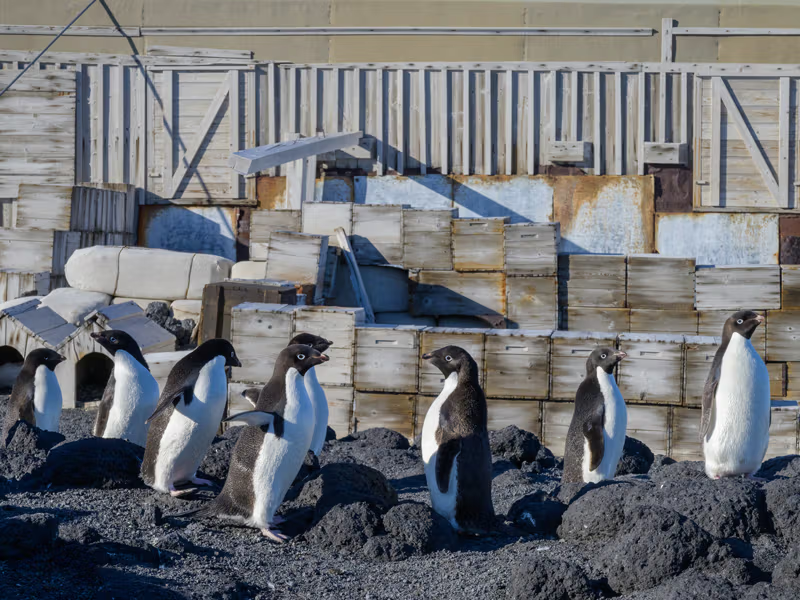
Whale Watching in the Southern Ocean
A whale surfacing in icy Antarctic waters is an unforgettable sight. You may spot a plume of spray, a dark back moving through the waves or a tail disappearing beneath the surface.
Potential sightings include:
-
Humpback whales: Often seen feeding in productive Antarctic waters during the summer.
-
Minke whales: Smaller baleen whales that may be encountered around ice edges and coastal waters.
-
Orcas: Also known as killer whales, these highly adaptable dolphins can be spotted in different Antarctic and sub-Antarctic habitats.
-
Other whale species: Depending on the region and conditions, additional species may be encountered.
Late-season departures, particularly in February and March, can be attractive to travellers prioritising whale watching. However, whales may be seen earlier, and no month guarantees a sighting.
Wildlife observation may take place from the ship, during Zodiac excursions or from designated shore locations. Any approach to wildlife is controlled by the expedition team to minimise disturbance.
Seal Watching on Ice and Shore
Seals are well adapted to the cold marine environment, and you may see them resting on ice, lying along a shoreline or swimming in the surrounding waters.
Species to look out for include:
-
Weddell seals: Often seen resting on sea ice or near coastal areas.
-
Crabeater seals: Closely associated with Antarctic pack ice and an important part of the regional ecosystem.
-
Leopard seals: Powerful predators that may be observed near ice edges or in coastal waters.
-
Southern elephant seals: Particularly relevant to some sub-Antarctic itineraries, including voyages that visit South Georgia.
Seal encounters vary by location. Some itineraries offer opportunities to observe seals from a Zodiac, while others may provide views from the ship or during a permitted landing.
Your expedition team will explain how to watch safely and avoid disturbing animals at rest.
Seabirds and Life Above the Ocean
Wildlife observation starts before you reach the continent. During sea crossings and coastal cruising, keep an eye on the sky and the water around your ship.
Depending on the route, you may encounter:
-
Albatrosses gliding over open water.
-
Petrels following the ship or feeding at sea.
-
Skuas around penguin colonies and breeding areas.
-
Other seabirds associated with Antarctic and sub-Antarctic waters.
An expedition team's knowledge can help you distinguish species and understand their feeding behaviour, breeding habitats and relationship with the wider marine ecosystem.
For bird enthusiasts and photographers, even a quiet sea day can offer worthwhile opportunities to observe wildlife.
Wildlife Photography in Antarctica
Antarctica offers a remarkable setting for wildlife photography, combining animals with icebergs, glaciers, snowfields and constantly changing light.
Photographic opportunities may include penguins gathering on the shore, seals on ice floes, whales surfacing in the distance and seabirds in flight.
To make the most of your cruise:
-
Bring a camera or smartphone suited to cold conditions.
-
Consider a telephoto lens for distant wildlife.
-
Carry spare batteries, as cold temperatures can reduce battery performance.
-
Protect your equipment from moisture, spray and blowing snow.
-
Follow the expedition team's instructions about positioning and safe distances.
You do not need to be a professional photographer to enjoy the experience. Choose a voyage that gives you suitable opportunities to observe wildlife at a comfortable pace, rather than focusing solely on specialist photography equipment.
The ship, itinerary and conditions determine how you encounter wildlife. Different activities provide different perspectives on the animals and their habitats.
Wildlife Watching from the Ship
Observation decks and public lounges provide opportunities to scan the coastline, sea ice and surrounding waters. You may spot whales surfacing, penguins swimming or seabirds following the vessel.
This can be particularly appealing to travellers who prefer to enjoy wildlife without participating in every shore excursion.
Zodiac Wildlife Cruises
Zodiacs allow expedition teams to explore selected bays and coastal areas when weather, sea state and operational requirements permit.
A guided outing may bring you past floating ice, rocky shores and wildlife habitats that offer a different perspective from the main ship.
Zodiac excursions require following safety instructions and meeting the operator's participation requirements. Access is not guaranteed on every day or at every site.
Guided Shore Landings
Where landings are permitted and conditions allow, you may visit designated coastal sites with your expedition team.
These outings offer the chance to observe wildlife in its natural setting and learn about the surrounding environment. Your guides will explain where to walk, how to avoid disturbing animals and which areas must remain undisturbed.
Landing opportunities depend on weather, ice, site access, permits and operational decisions. Some wildlife experiences take place entirely from the ship or Zodiac.
Expedition Learning and Wildlife Talks
Many expedition voyages include briefings, daily recaps and educational presentations. Depending on the operator, your expedition team may include naturalists, marine specialists, photographers or other experts.
These sessions add context to what you see outside. You can learn how Antarctic animals adapt to cold conditions, how seasonal changes influence feeding and breeding, and why responsible tourism matters in this fragile environment.
The range of specialists and the onboard programme differ by ship and departure.
The Antarctic cruise season generally runs from late October or November to March, although dates vary by operator and destination. Wildlife behaviour changes as the austral summer progresses, making different departure periods appealing for different interests.
| Travel Period | Wildlife Highlights | Best Suited To |
|---|---|---|
| Late October–November | Early-season wildlife activity, penguin courtship and nesting at suitable sites; dramatic snowy landscapes. | Travellers interested in breeding behaviour and early-season scenery. |
| December | Nesting colonies become more active, and early chicks may appear at some locations. | Travellers wanting long daylight hours and active colonies. |
| January | Many penguin colonies are busy, with chick-rearing activity at suitable sites. | First-time visitors and travellers interested in penguin behaviour. |
| February | Increasing opportunities for whale watching, alongside active penguin colonies and seals. | Wildlife enthusiasts and photographers prioritising marine mammals. |
| March | Late-season whale encounters, changing light and continued opportunities to observe penguins and seals. | Travellers drawn to whale watching and late-season photography. |
Wildlife sightings and animal behaviour vary by location, weather conditions and the timing of each expedition. All encounters are subject to natural conditions.
These are broad seasonal patterns rather than fixed schedules. Timing differs by species, breeding colony and destination, and wildlife activity varies between years.
For more detail, read our Best Time to Visit Antarctica guide.
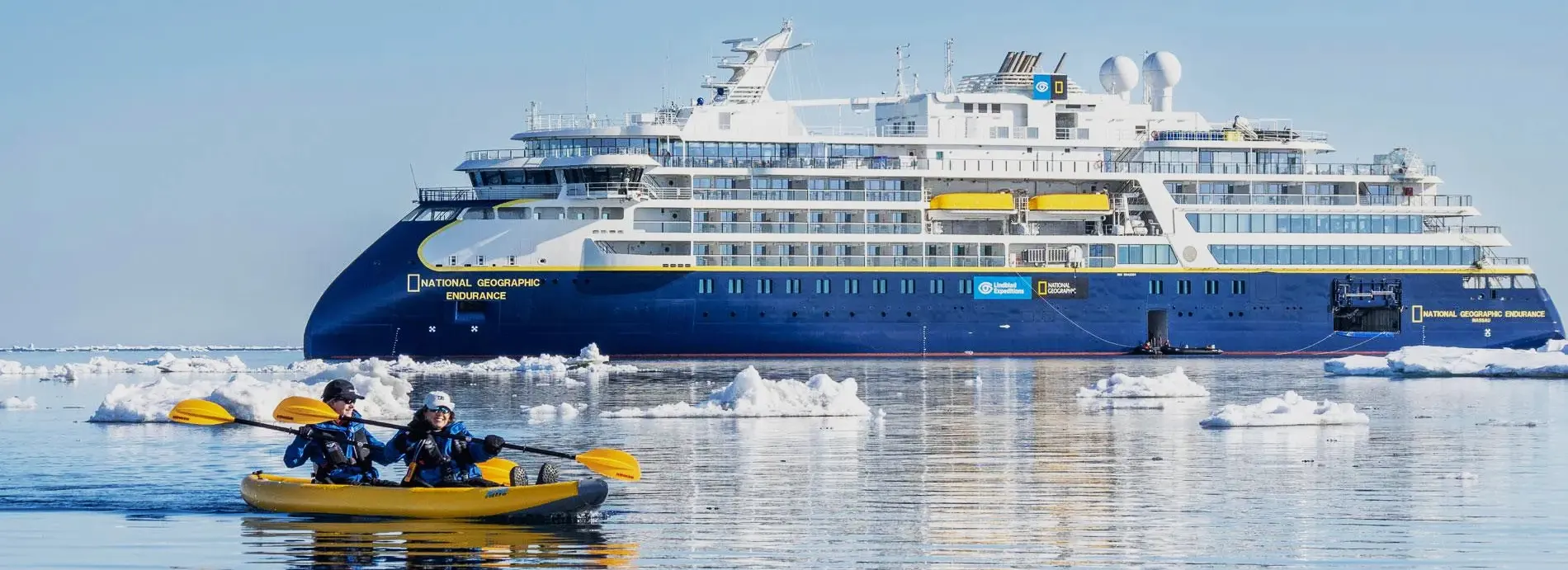
Your itinerary has a major influence on the wildlife habitats you visit, how long you spend exploring and which species you may encounter.
Antarctic Peninsula
The Antarctic Peninsula is a popular choice for travellers seeking their first wildlife expedition. Its coastal landscapes and surrounding islands provide opportunities to observe penguins, seals and seabirds, with whale sightings possible in the surrounding waters.
Compare the length of each itinerary, the planned expedition days and the locations the operator intends to visit.
Explore our Antarctica Expedition Cruises page to learn more about expedition-style travel.
Antarctica, South Georgia and the Falkland Islands
For a broader wildlife journey, selected extended voyages combine Antarctica with South Georgia and the Falkland Islands.
These sub-Antarctic destinations can add opportunities to see large king penguin colonies, fur seals, elephant seals and a wider variety of seabirds. Wildlife and landing opportunities depend on the exact route and time of year.
These voyages generally require more time than a Peninsula-only cruise. Compare the total duration, sea days and destinations before deciding.
Remote Antarctic Regions
Specialist expeditions to regions such as the Ross Sea or Weddell Sea may appeal to travellers interested in remote landscapes, particular wildlife habitats and polar exploration history.
These voyages have different routes, access requirements and seasonal operating windows from standard Peninsula cruises.
If you have a particular species or region in mind, tell us before selecting a departure so we can help you identify suitable itineraries.
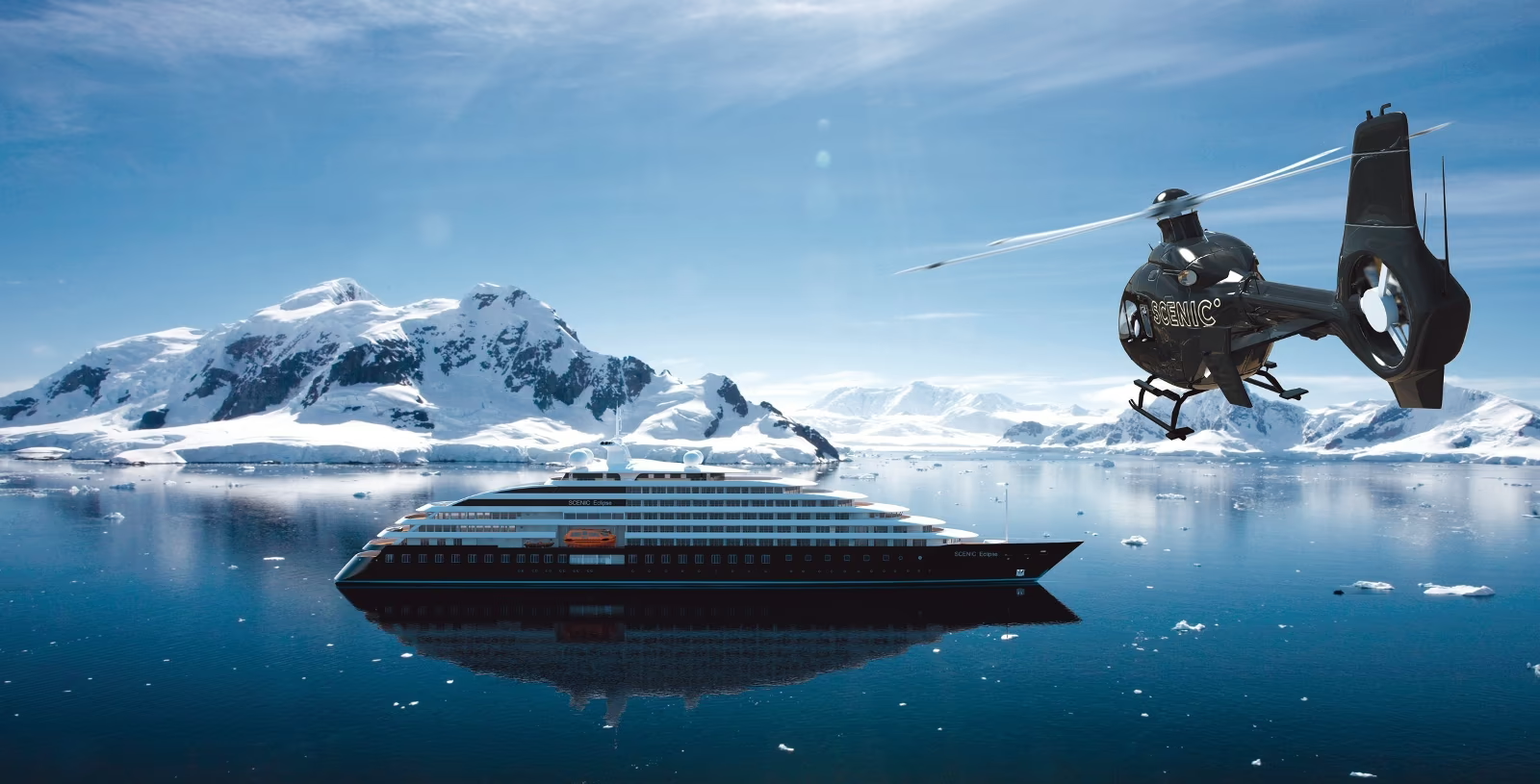
Your ship affects the onboard experience and the organisation of shore excursions, but it is the complete itinerary that should guide your decision.
Consider the following factors when comparing Antarctica wildlife cruises:
-
Itinerary and destination: Check the regions visited and the amount of time scheduled for exploration.
-
Passenger capacity: Understand how the operator organises guests for landings and Zodiac excursions.
-
Expedition programme: Compare the planned activities, educational presentations and opportunities for wildlife observation.
-
Cabin and onboard facilities: Choose accommodation and facilities that suit your comfort preferences and budget.
-
Mobility and accessibility: Ask about gangways, Zodiac transfers, uneven terrain and the physical requirements of excursions.
-
Fare inclusions: Check whether meals, excursions, clothing, transfers, beverages and other services are included.
-
Departure date: Consider seasonal wildlife patterns alongside your preferred travel dates.
A higher-priced ship does not necessarily provide more wildlife sightings, and no vessel can guarantee a particular encounter. Compare the itinerary, experience and overall value together.
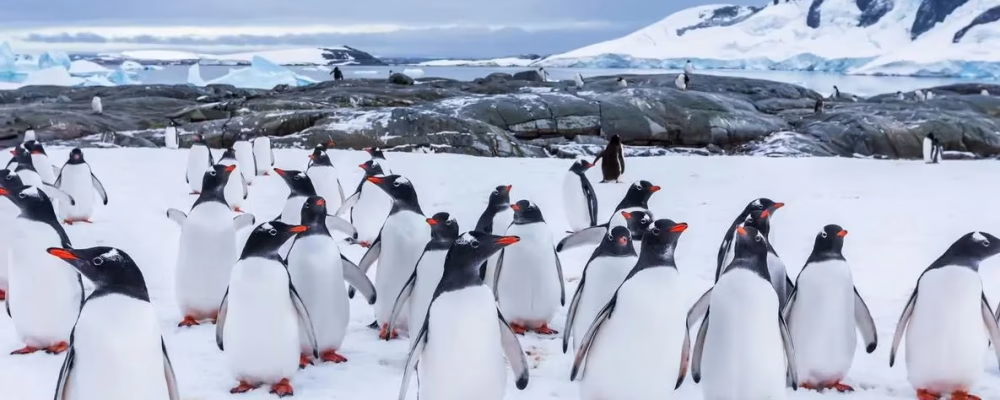
Antarctica's wildlife lives in a sensitive environment, so responsible observation is essential.
Expedition visitors must follow their guides' instructions and the applicable Antarctic visitor guidelines. The aim is to observe animals without causing them to change their behaviour or disturbing their habitats.
During your cruise:
-
Never feed, touch or handle wildlife.
-
Give animals the space required by current visitor guidelines and your expedition team.
-
Do not block penguins' routes between nesting areas and the sea.
-
Move slowly and quietly near wildlife.
-
Stay within designated visitor areas and follow instructions about where to walk.
-
Never leave litter or remove natural objects from the environment.
-
Follow the operator's biosecurity procedures for clothing, footwear and equipment.
The expedition team will explain the rules for each landing or excursion. These measures help protect the wildlife and preserve the experience for future visitors.
For official guidance, see the IAATO visitor information.
The right wildlife expedition starts with knowing what you want to see and how you prefer to travel.
Our guides can help you compare destinations, timing, costs and different expedition styles before choosing a voyage.
-
Best Time to Visit Antarctica — Compare seasonal conditions and wildlife activity.
-
Antarctica Expedition Cruises — Understand expedition activities, ships and itinerary options.
-
Antarctica Cruise Costs — Review pricing factors and fare inclusions.
-
Antarctica Cruise Packing Guide — Prepare clothing and essentials for your trip.
-
Antarctica Cruise Deals — Browse available departures and offers.
-
All Antarctica Cruise Experiences — Explore other ways to experience Antarctica.
Start with the animals and destinations that interest you most. Then compare departure dates, itinerary, expedition days, ship capacity, cabin options, activities, inclusions and budget. Antarctica Boat Cruises can help you shortlist suitable departures.
Start with the animals and destinations that interest you most. Then compare departure dates, itinerary, expedition days, ship capacity, cabin options, activities, inclusions and budget. Antarctica Boat Cruises can help you shortlist suitable departures.
Start with the animals and destinations that interest you most. Then compare departure dates, itinerary, expedition days, ship capacity, cabin options, activities, inclusions and budget. Antarctica Boat Cruises can help you shortlist suitable departures.
Start with the animals and destinations that interest you most. Then compare departure dates, itinerary, expedition days, ship capacity, cabin options, activities, inclusions and budget. Antarctica Boat Cruises can help you shortlist suitable departures.
Start with the animals and destinations that interest you most. Then compare departure dates, itinerary, expedition days, ship capacity, cabin options, activities, inclusions and budget. Antarctica Boat Cruises can help you shortlist suitable departures.
Start with the animals and destinations that interest you most. Then compare departure dates, itinerary, expedition days, ship capacity, cabin options, activities, inclusions and budget. Antarctica Boat Cruises can help you shortlist suitable departures.
Start with the animals and destinations that interest you most. Then compare departure dates, itinerary, expedition days, ship capacity, cabin options, activities, inclusions and budget. Antarctica Boat Cruises can help you shortlist suitable departures.
Start with the animals and destinations that interest you most. Then compare departure dates, itinerary, expedition days, ship capacity, cabin options, activities, inclusions and budget. Antarctica Boat Cruises can help you shortlist suitable departures.
Start with the animals and destinations that interest you most. Then compare departure dates, itinerary, expedition days, ship capacity, cabin options, activities, inclusions and budget. Antarctica Boat Cruises can help you shortlist suitable departures.
Start with the animals and destinations that interest you most. Then compare departure dates, itinerary, expedition days, ship capacity, cabin options, activities, inclusions and budget. Antarctica Boat Cruises can help you shortlist suitable departures.
For more information on our Antarctica Wildlife Experiences and other Antarctic cruise packages,
Call 1300 799 758 now.
Call us 7 days a week!