
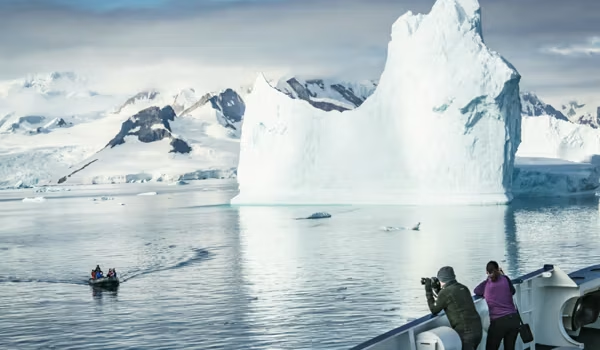
A Zodiac settles onto the water. Ahead, icebergs rise against a mountain-lined coast, and your expedition team scans the shoreline for the next opportunity to explore.
This is the appeal of Antarctic expedition cruising: a journey shaped by the landscape, with time to observe, learn and discover.
Your ship provides a comfortable base, while your expedition team helps you experience the places you visit. Guided excursions may take you past sculpted ice, along penguin-lined shores or into quiet bays where the scale of Antarctica becomes clear.
At Antarctica Boat Cruises, a division of BlueSun Travel, we help you compare expedition voyages and understand the differences that matter—from passenger numbers and cabin choices to routes, activities and fare inclusions.
Antarctica Expedition Cruises at a Glance
| What to Discover | Antarctica Expedition Cruise Experience |
|---|---|
| Destinations | Antarctic Peninsula and South Shetland Islands, with selected expeditions exploring the Antarctic Circle, Weddell Sea or Ross Sea region. |
| Extended Voyages | Longer itineraries may combine Antarctica with South Georgia and the Falkland Islands for additional wildlife, scenery and exploration history. |
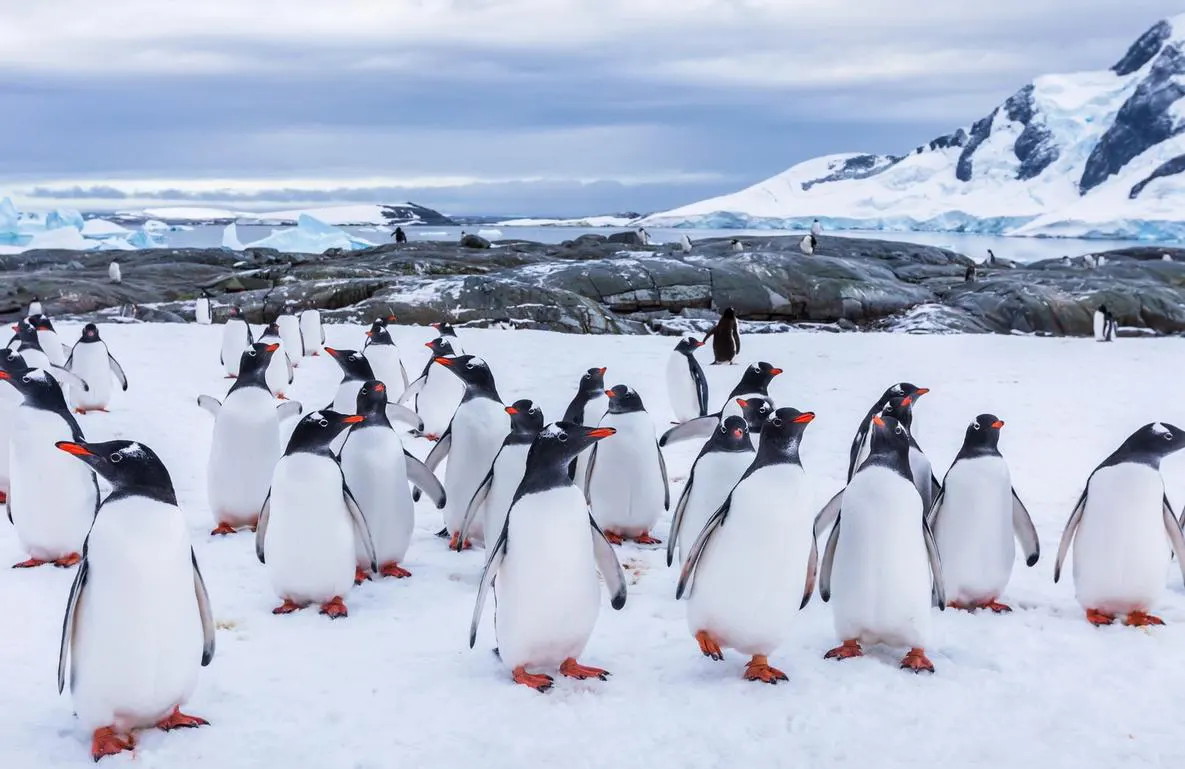
| Wildlife | Opportunities to observe penguins, seals, whales and seabirds, depending on your route, season and conditions. |
| Scenery | Sculpted icebergs, glaciers, snow-covered mountains, remote islands and dramatic polar coastlines. |
| Expedition Experiences | Guided Zodiac excursions, shore landings, wildlife observation, photography and scenic cruising, subject to the voyage programme and conditions. |
| Onboard Discovery | Expedition briefings, daily recaps and talks exploring Antarctic wildlife, landscapes and history, with specialist expertise varying by voyage. |
| Optional Adventures | Kayaking, paddling and camping on selected departures. Additional charges, advance bookings and participation requirements may apply. |
| Expedition Ships | Options range from smaller, informal expedition vessels to luxury expedition ships. Compare passenger capacity, cabins, facilities and excursion arrangements. |
| Travel Season | Most Antarctic Peninsula departures operate from November to March, with some starting in late October. Other regions have more limited schedules. |
| Ideal For | Wildlife lovers, photographers, curious travellers and first-time or returning expedition guests seeking guided polar exploration. |
| Choosing Your Voyage | Compare scheduled expedition days, itinerary, ship size, fare inclusions and available activities alongside your budget and preferred travel dates. |
Experiences vary by operator, ship and departure. Wildlife sightings, landings and activities are not guaranteed and remain subject to weather, ice, permissions and operational decisions.
An expedition itinerary provides a planned route, with flexibility built into each day. Weather, sea ice, wildlife and local operating requirements influence where your team can take you.
That flexibility is part of travelling in a polar environment. A landing may be replaced by Zodiac cruising, or a different location may offer a better opportunity to explore.
Zodiac Exploration
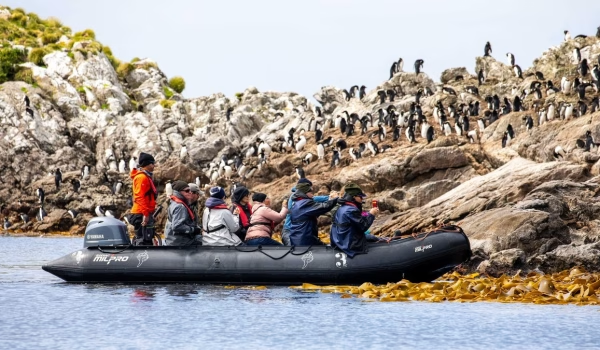
Zodiacs are small inflatable boats used for shore transfers and guided excursions. They offer a different perspective on Antarctica’s coastline, bringing you closer to the detail of floating ice and sheltered bays while maintaining safe distances from wildlife.
Guided Shore Landings
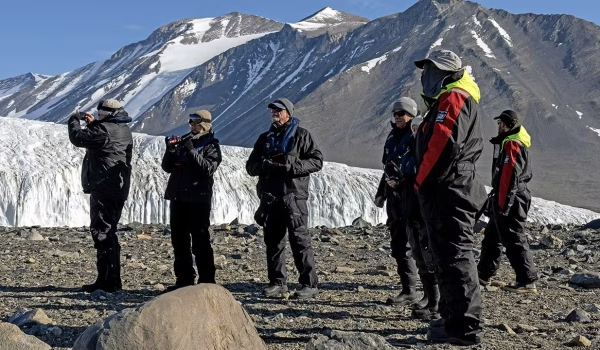
When conditions and permissions allow, guided landings give you the opportunity to step ashore and explore designated sites. Your expedition team explains where you can walk, what to look for and how to protect the environment around you.
Landing sites and the number of excursions are never guaranteed.
Wildlife Observation
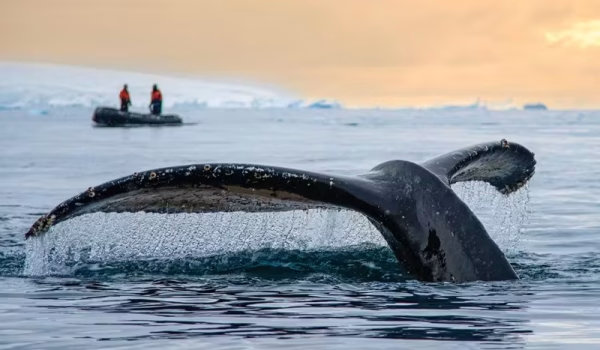
Watch for penguins, seals, whales and seabirds from the ship and during excursions. Your team helps you understand the animals you encounter and observe them responsibly, without disturbing their behaviour.
Wildlife varies with the region and season. Every encounter is different.
Learning with Your Expedition Team
Briefings, talks and informal conversations add context to what you see. Depending on the voyage, your team may include specialists in wildlife, geology, photography, history or other fields.
A distant glacier or unfamiliar seabird becomes more meaningful when you understand its place in the Antarctic environment.

Your day may begin with breakfast and an update from the expedition team. If conditions allow, you could join a morning shore landing or Zodiac excursion, returning to the ship for lunch.
The afternoon may bring another outing, scenic cruising or time on deck watching the coastline. Later, a recap helps you reflect on the day’s discoveries and prepare for what may come next.
Sea days offer a different rhythm, with talks, observation time and opportunities to enjoy your ship’s facilities.
The programme remains flexible. Your expedition team makes decisions based on the conditions, safety and permitted activities.
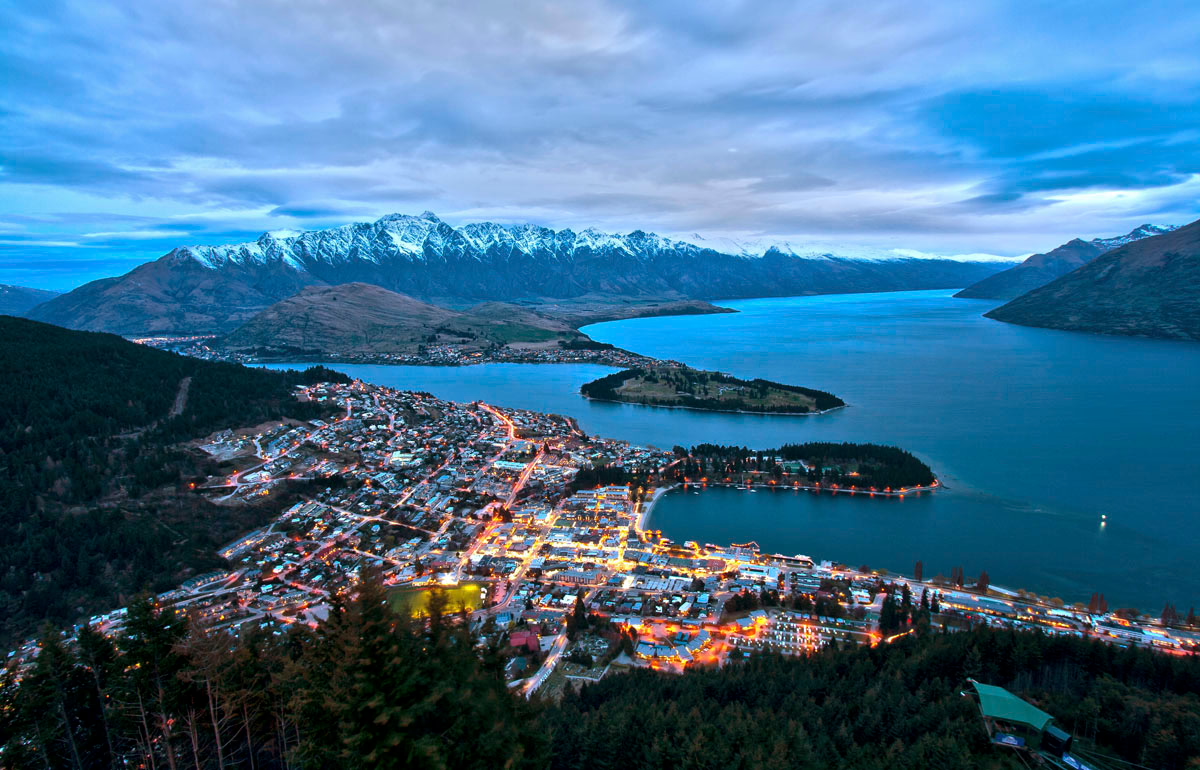
Antarctic Peninsula
The Antarctic Peninsula is a popular starting point for travellers seeking their first Antarctic expedition. Explore routes combining dramatic coastal scenery with opportunities for wildlife observation, Zodiac cruising and guided landings.
Compare how many expedition days each voyage schedules in the region, rather than looking only at its total length.
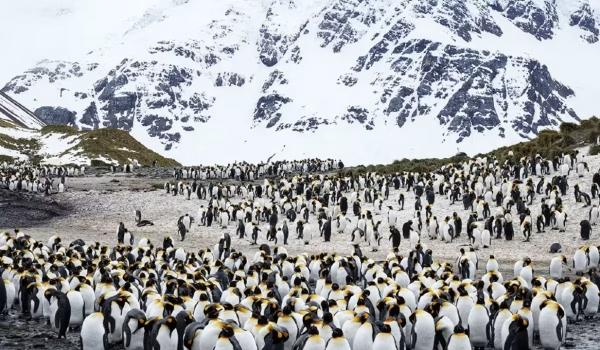
Antarctica, South Georgia & the Falkland Islands
Extended voyages combine Antarctica with distinctive sub-Antarctic destinations. These routes appeal to travellers interested in a broader range of wildlife, landscapes and maritime history.
Allow for a longer holiday and additional sea days when comparing these itineraries.
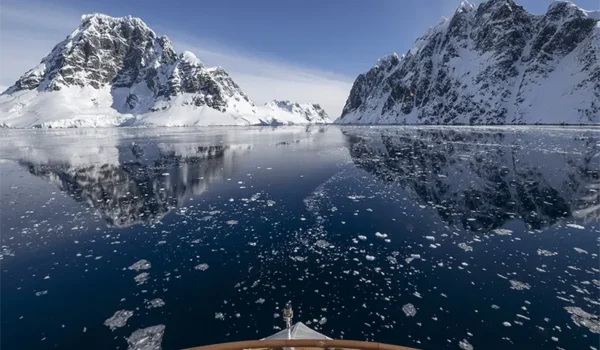
Antarctic Circle Expeditions
Selected voyages aim to travel farther south and cross the Antarctic Circle. These itineraries may suit travellers seeking a longer Peninsula expedition with a particular geographical goal.
Reaching the Circle depends on ice, weather and operational conditions.
Weddell Sea & Ross Sea Expeditions
For travellers drawn to remote scenery and exploration history, specialist Weddell Sea or Ross Sea voyages offer alternatives to a classic Peninsula itinerary.
These are different regions with different routes and logistics. Check the departure port, voyage duration and expedition objectives carefully before choosing.
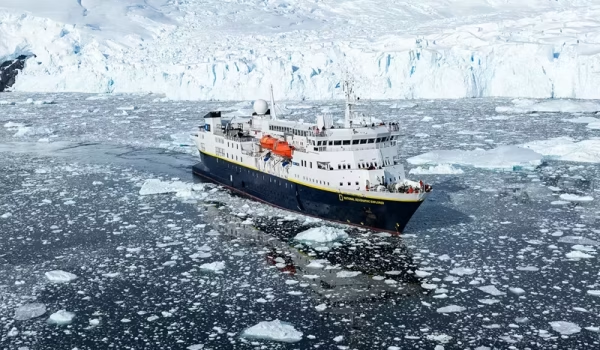
Your ship influences both life on board and the organisation of excursions.
Start by comparing passenger capacity, expedition facilities, cabin layout and the activities offered on your chosen departure. Then consider the onboard atmosphere you prefer: practical and informal, contemporary and comfortable, or a luxury expedition experience.
Passenger numbers are particularly relevant to shore operations. Ships organise guests into groups to meet landing requirements, so ask how the operator manages time ashore and Zodiac cruising.
A smaller ship does not guarantee more landings, and a higher fare does not automatically mean more exploration. Compare the actual voyage programme alongside the accommodation.
Tell us about any mobility or access needs early so we can ask the operator about gangways, Zodiac transfers and excursion requirements.
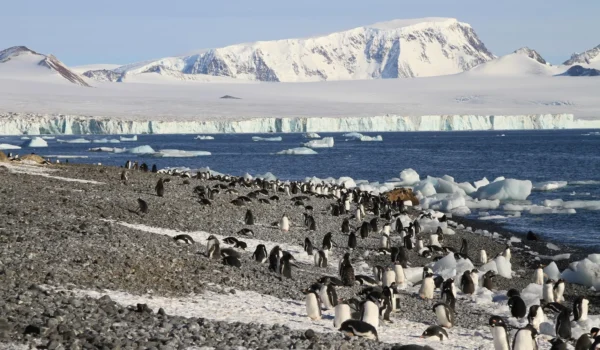
Most Antarctic Peninsula expedition departures operate during the austral spring and summer, commonly from November to March, with some voyages starting in late October.
Your preferred month should reflect what you hope to experience, whether that is snowy scenery, active penguin colonies, long daylight hours or whale observation.
Seasonal patterns provide a useful guide, but weather, wildlife sightings and access remain variable. Other Antarctic regions may have narrower operating windows.
READ OUR BEST TIME TO VISIT ANTARCTICA GUIDE →
Find expedition departures that match your preferred route, dates and style of travel.
Compare the cabin category, fare inclusions and booking conditions alongside the advertised price. If you are unsure which offers suit you, ask us for a personalised shortlist.
VIEW ANTARCTICA CRUISE DEALS | REQUEST A PERSONALISED SHORTLIST
Check the Fare Inclusions
Many expedition fares include accommodation, meals, an expedition programme and scheduled Zodiac excursions or landings when conditions permit.
Other inclusions differ. Check whether your fare covers expedition clothing, boot loans, beverages, Wi-Fi, gratuities, transfers or pre-cruise accommodation.
We help you compare these details so you can assess the whole journey.
Plan for Additional Costs
Optional Activities
Selected departures offer kayaking, paddling, camping or other additional activities. Availability, pricing, experience requirements and booking arrangements vary.
If a particular activity is central to your plans, check it before choosing your cruise.
Flights, Accommodation & Travel Requirements
Allow for international and domestic flights, accommodation before or after the voyage, and any required travel documentation.
Review the operator’s insurance requirements, including medical evacuation cover, and check how transfers and connecting travel are arranged. Fly-cruise journeys also require attention to weather-related flight contingencies.
EXPLORE ANTARCTICA CRUISE COSTS →
For more information on our Antarctica Cruise Expeditions and other Antarctic cruise packages,
Call 1300 799 758 now.
Call us 7 days a week!