The Antarctica weather is unlike anywhere else on Earth. Known as the coldest, driest, and windiest continent, its climate plays a big role in shaping your Antarctic expedition. While inland Antarctica can reach extreme lows of -60°C (-76°F), the coastal regions where most cruises operate are much milder, especially during the summer season (November–March). Expect daytime temperatures along the Antarctic Peninsula to range between -2°C and 8°C (28°F to 46°F).

Since Antarctica is only accessible during the austral summer, most cruises run between late October and early April. Each month offers unique experiences:
-
November–December: Early summer brings pristine snow, ice formations, and penguin courtship displays.
-
January–February: Warmest months, perfect for wildlife spotting and whale watching.
-
March–April: Fewer crowds, dramatic sunsets, and juvenile penguins exploring their surroundings.
Understanding seasonal differences in the weather in Antarctica helps you choose the best time for your journey.

Early Season: LATE OCTOBER, NOVEMBER AND EARLY DECEMBER
ANTARCTIC PENINSULA
In October and November, breaking pack ice allows ice-strengthened ships to access pristine landscapes, making an Antarctica Cruise from Australia a rare experience. As the season progresses, Adélie, chinstrap, and gentoo penguins return, courting, mating, and beginning to incubate their eggs.
SOUTH GEORGIA

Join an early-season voyage to witness bull elephant seals battling for harems on South Georgia’s beaches—wait too long, and they’ll be gone. On the Antarctic Peninsula, penguins are arriving, courting, mating, and laying eggs, while last season’s juveniles remain. Wandering Albatross reaffirm their bonds, and fur seals are active, with females mating soon after giving birth.
FALKLAND ISLANDS

By October, activity in the Falkland Islands is already in full swing, as the region lies slightly further north than South Georgia and the Peninsula. Here, five penguin species—rockhopper, gentoo, Magellanic, macaroni, and king—are bustling with activity, while several migratory bird species have also made their return.
High Season: DECEMBER, JANUARY AND EARLY FEBRUARY
ANTARCTIC PENINSULA
As daylight increases, the Antarctic Peninsula comes alive with wildlife. Tens of thousands of Adélie, gentoo, and chinstrap penguins fill beaches and hillsides, with chicks hatching later further south or on lower slopes.
Parents take turns incubating and fishing, while chicks grow quickly, becoming mobile and adorably clumsy as they chase parents for krill. Seals, skuas, and petrels tend to their young, and whales, having fed for months, grow increasingly curious as the season progresses.
SOUTH GEORGIA
Early-season snow gradually melts at lower levels, leaving only the peaks snow-capped, though fresh snow can fall anytime. This opens up more trekking opportunities on your Antarctic cruise from Australia, though conditions—ranging from sunny and mild (10–15°C) to windy, snowy, and bitterly cold—will dictate what’s safe.
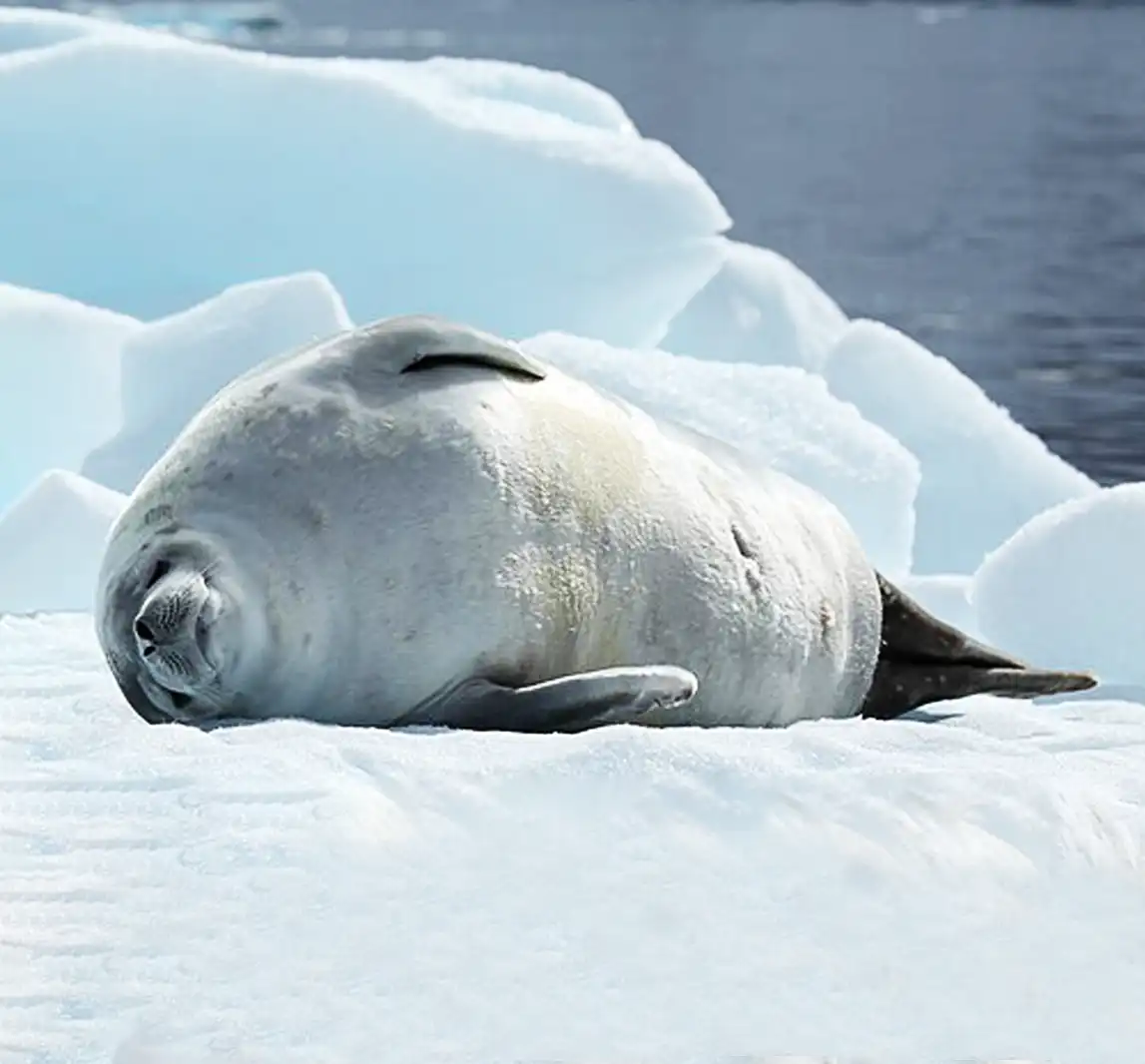
Meanwhile, South Georgia’s beaches fill with fur seal pups, as adult fur and elephant seals return to the southern ocean for much-needed feeding—bull elephant seals may lose over a third of their body weight during breeding.
KING PENGUINS
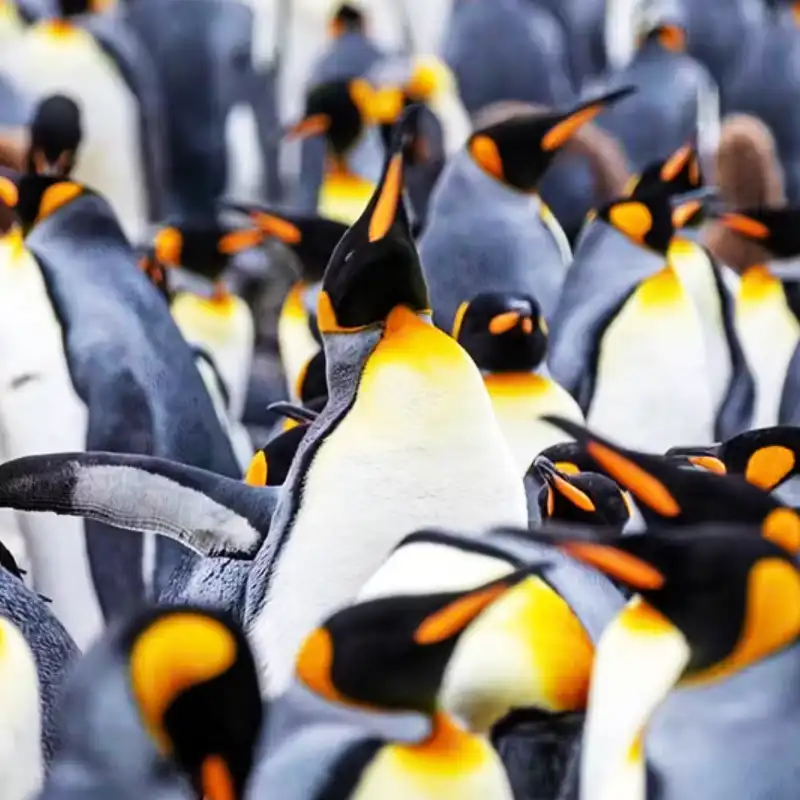
Many of South Georgia’s beaches host vast king penguin colonies, some numbering in the tens of thousands. With their long, unsynchronized 13–16 month breeding cycle, you can see courting adults, penguins with eggs, fluffy chicks, and juveniles year-round, with the largest crèches forming in December–February.
Other penguins—chinstrap, gentoo, and macaroni—along with four albatross species (black-browed, grey-headed, light-mantled, and wandering) are also busy raising chicks during the short Antarctic summer.
FALKLAND ISLANDS
Like South Georgia, the Falkland Islands enjoy long days and relatively mild temperatures, averaging around 12°C. Weather systems that reach South Georgia also influence the Falklands, so a warm summer’s day can feel reminiscent of southern Australia (think Phillip Island), though temperatures can occasionally dip below freezing.
Wildlife is bustling: seal lions and elephant seals, penguins (king, gentoo, rockhopper, macaroni, and Magellanic), and over half a million black-browed albatross are all busy raising their young.
LATE SEASON: Late February to March
ANTARCTIC PENINSULA
Late-season Antarctic cruises from Australia are far from disappointing. Days are still long—over 12 hours of light—leaving plenty of time for excursions.
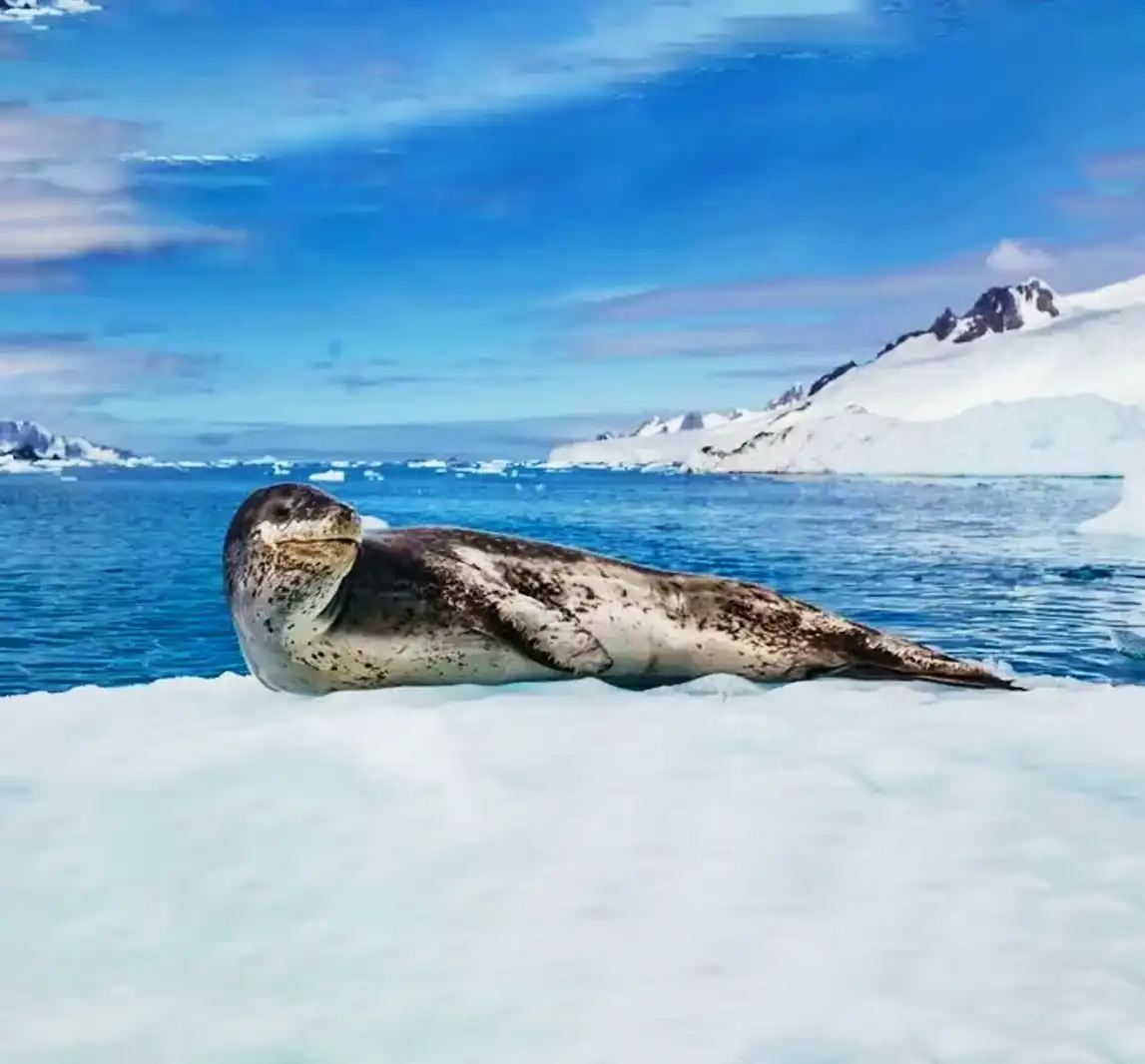
Penguin colonies feature large, nearly feathered chicks preparing for the southern ocean, while leopard seals take advantage of young penguins learning to swim. Thankfully, their numbers are relatively low.
WHALES
By late February and March, most whales have finished summer feeding and become more curious about surface activity. Spy-hopping humpbacks are the most commonly seen, alongside minke, orca, sei, sperm, and occasionally blue whales.
Another great spot to see whales is near the Antarctic Convergence, where nutrient-rich waters attract them.
S. GEORGIA & FALKLAND ISLANDS
Many of South Georgia’s beaches host vast king penguin colonies, some numbering in the tens of thousands. With their long, unsynchronized 13–16 month breeding cycle, you can see courting adults, penguins with eggs, fluffy chicks, and juveniles year-round, with the largest crèches forming in December–February.
Other penguins—chinstrap, gentoo, and macaroni—along with four albatross species (black-browed, grey-headed, light-mantled, and wandering) are also busy raising chicks during the short Antarctic summer.

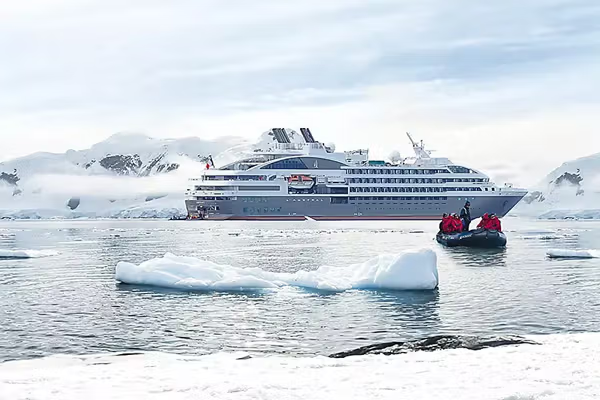
One of the most remarkable aspects of the weather in Antarctica is its extreme and unique daylight patterns. During the austral summer (November to March), the continent experiences extended daylight hours, with some areas enjoying nearly 24 hours of sunlight in December and January. This “midnight sun” phenomenon allows travellers to maximize their time ashore and at sea, capturing stunning landscapes, observing wildlife, and participating in excursions at almost any hour of the day.
However, with this extended daylight comes a striking variability in weather conditions. Even on seemingly calm days, Antarctic weather can change rapidly. Clear blue skies can quickly turn into snow showers or dense fog, and strong gusts of wind can arise without warning. Coastal regions, where most cruises make landings, are generally milder than the harsh interior, but travellers should still expect wind chills that make temperatures feel colder than they actually are.
The interplay of sunlight, wind, and precipitation also creates constantly shifting landscapes. Snow and ice formations may glisten under the low-angle summer sun, while sudden storms can blanket the terrain in fresh snow within minutes. Understanding these dynamic weather in Antarctica patterns is crucial for cruise travellers, as they affect both safety and daily itineraries. Expedition leaders and ship crews monitor conditions closely, adjusting landing schedules and outdoor activities to ensure that travellers can experience the continent safely while still enjoying the beauty of its dramatic environment.
For travellers, this means always being prepared for sudden changes: layering clothing, keeping waterproof gear accessible, and planning for both sunny exploration and brief bouts of snow or wind. The unpredictable yet breathtaking conditions are part of what makes Antarctic voyages truly unforgettable.
The weather in Antarctica plays a crucial role in shaping every aspect of an Antarctic cruise. Unlike typical travel destinations, conditions here can change rapidly, with sudden snowstorms, fog, or strong winds affecting sea and land activities. Cruise itineraries are highly flexible to accommodate these unpredictable conditions, ensuring passenger safety while maximizing opportunities for wildlife encounters, zodiac excursions, and landings on the icy continent. Understanding how the weather in Antarctica can impact your cruise helps travellers set realistic expectations and prepare for an adventurous journey like no other.
Even mild changes in weather can influence the timing of landings, wildlife sightings, and scenic photography opportunities. Strong winds and rough seas may delay or cancel excursions, while calmer days provide perfect conditions to explore penguin colonies, seal habitats, and breathtaking glaciers. By monitoring the weather in Antarctica closely, expedition leaders make informed decisions that balance safety with the chance to experience the continent’s stunning landscapes. For travellers, being ready for sudden weather shifts with proper clothing and gear ensures that every moment of the Antarctic cruise is both safe and unforgettable.
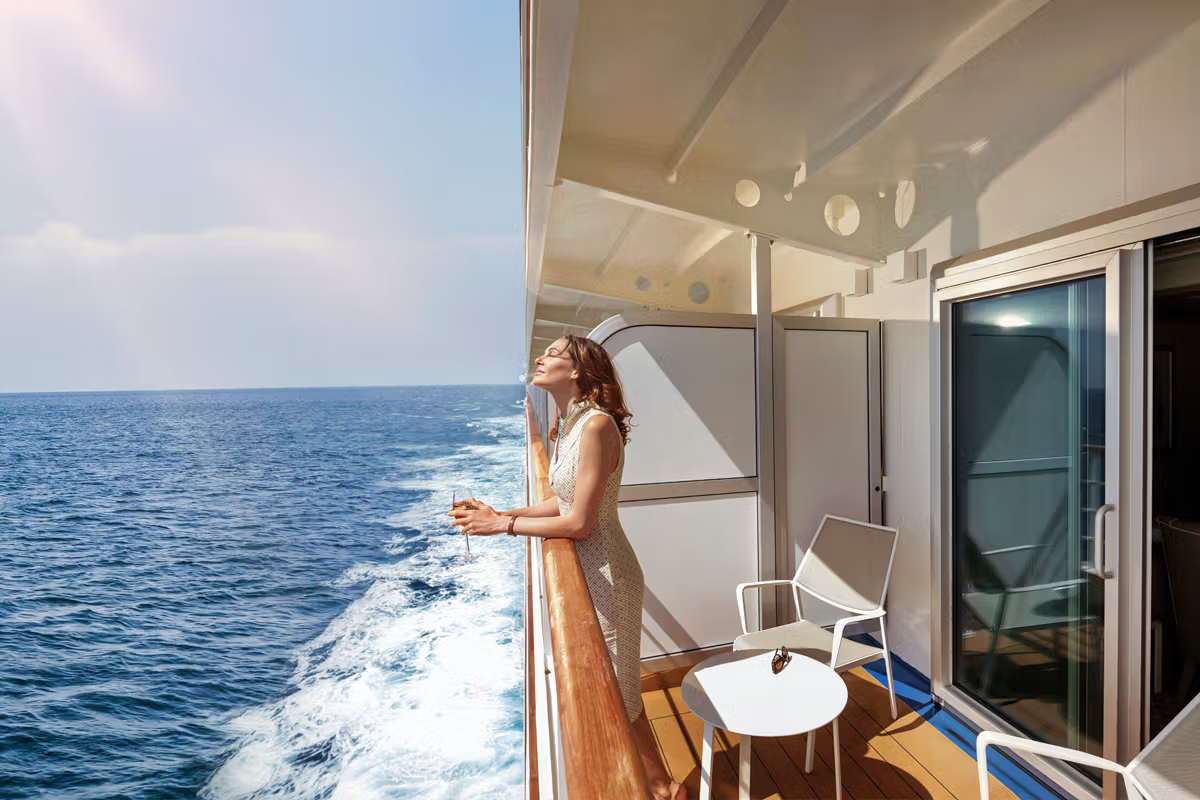
Dressing in layers is key. For the variable weather in Antarctica, pack:
-
A waterproof and windproof outer shell
-
Insulating mid-layers like fleece or down jackets
-
Base layers made of moisture-wicking material
-
Waterproof gloves, hats, and scarves
-
Polarized sunglasses and sunscreen (UV is strong even in cold climates)
Most cruise operators also provide heavy parkas and rubber boots suitable for landings.
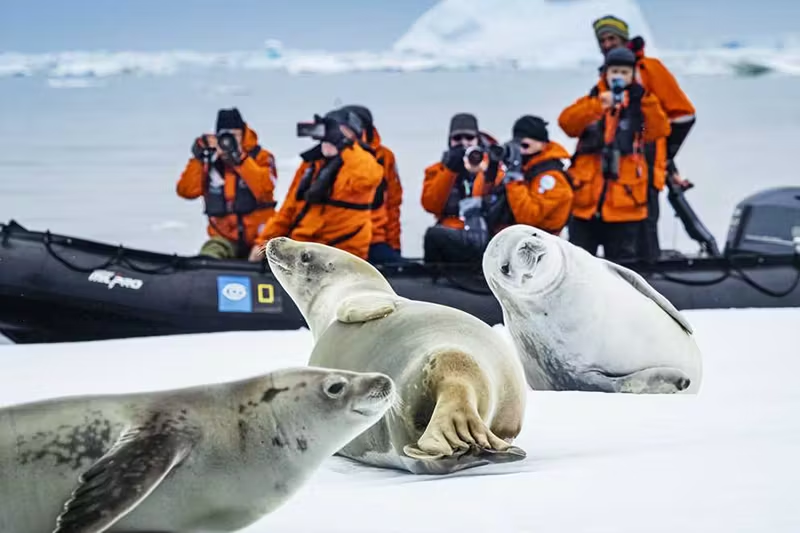
The Weather in Antarctica may be harsh, but it is also part of what makes this destination so extraordinary. By understanding seasonal variations, preparing for sudden changes, and packing properly, you’ll be ready to enjoy every moment of your once-in-a-lifetime Antarctic cruise.
For more information on Weather in Antarctica or any other Antarctica information & cruise deals, call us now.
Call 1300 799 758 now.
Available 7 days a week!