
Quick Answer: There isn't one single "best" month—only the best month for your interests.
 Swipe → to view more.
| Month | Best For |
|---|---|
| October | Pristine snow, dramatic ice scenery, early expedition cruises |
| November | Penguin courtship, nesting colonies, fewer tourists |
| December | Warmest weather, long daylight hours, Christmas cruises |
| January | Penguin chicks, whale sightings begin, peak season |
| February | Best whale watching, active wildlife, excellent photography |
| March | Whale encounters, fewer visitors, spectacular sunsets |
Each month offers a unique Antarctica experience. Wildlife activity, sea ice conditions, and weather vary throughout the expedition season.
Overall Best Time: December to February
Best for Wildlife: January & February
Best for Photography: November & March
Best for Whale Watching: February & March
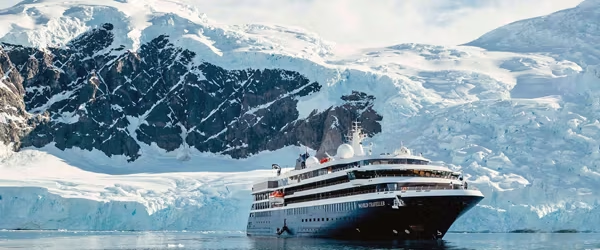
Unlike many destinations, Antarctica can only be visited during the austral summer. Winter sea ice makes most of the continent inaccessible, while temperatures are far too extreme for tourism.
During summer:
- Sea ice retreats
- Expedition ships can make landings
- Wildlife breeds and raises chicks
- Temperatures become comparatively mild
- Nearly 20 hours of daylight allow longer exploration
This short season is why Antarctica cruises are among the world's most exclusive travel experiences.
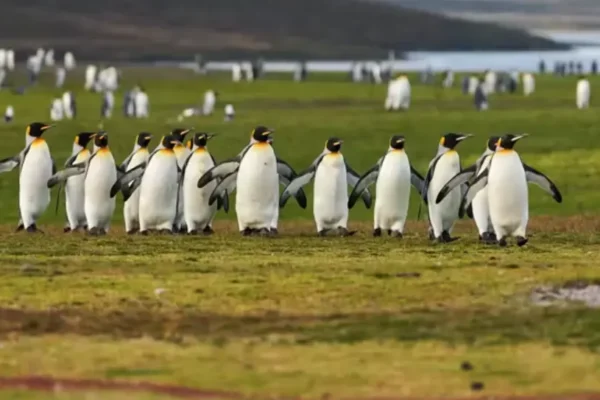
Best Time to Visit Antarctica by Month
❅ October — The Beginning of the Season
October marks the start of Antarctica's cruise season.
The landscape looks incredibly pristine after the long polar winter. Icebergs are at their largest, snow blankets the mountains, and few ships have yet arrived.
❖ Highlights
- Fresh untouched snow
- Massive icebergs
- Beautiful polar scenery
- Excellent landscape photography
- Quiet expedition season
❖ Wildlife
- Penguins begin returning to breeding colonies
- Seals become more active
- Limited whale sightings
❖ Average Temperature
20°F–30°F (-6°C to -1°C)
 Best for: Scenic photography and travellers wanting fewer crowds.
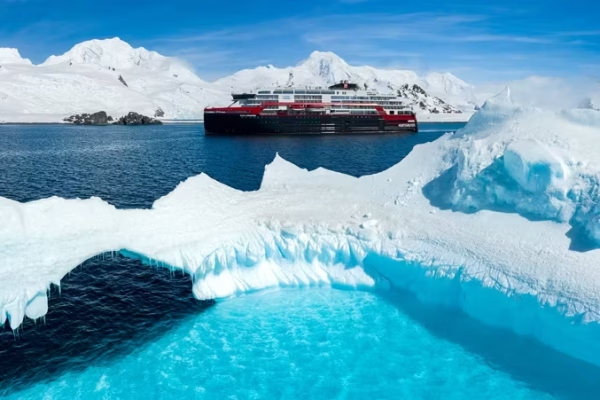
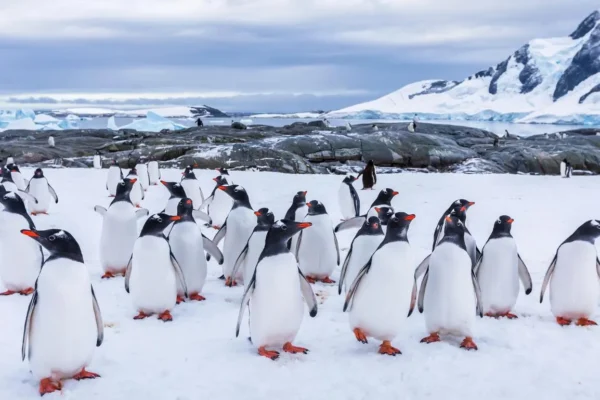
 November — Wildlife Awakens
November is one of the most exciting months for wildlife lovers.
Penguins begin courtship rituals and nesting activities, while seabirds become increasingly active.
The weather improves, yet the scenery remains beautifully snowy.
❖ Highlights
- Penguin courtship
- Nest building
- Snow-covered landscapes
- Excellent light for photography
- Increasing cruise availability
❖ Wildlife
- Gentoo Penguins
- Adélie Penguins
- Chinstrap Penguins
- Weddell Seals
- Leopard Seals
❖ Average Temperature
20°F–30°F (-6°C to -1°C)
Best for: Wildlife photographers and first-time visitors.
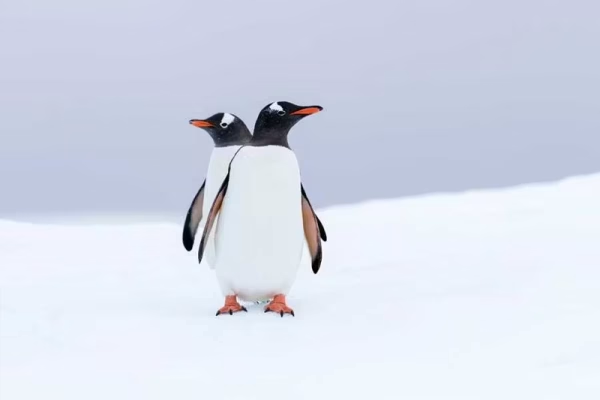
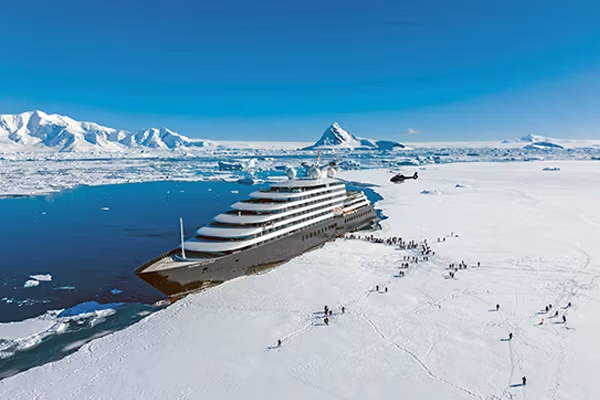
❅ January — Peak Season
January is considered by many to be the best month to visit Antarctica.
Conditions are ideal for exploration, wildlife activity is at its highest, and nearly every cruise itinerary is operating.
❖ Highlights
- Peak cruise season
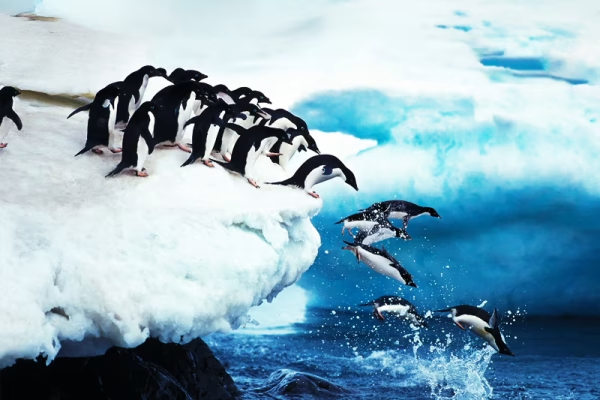
- Penguin chicks everywhere
- Beautiful weather
- Best conditions for kayaking
- Active expedition landings
🐧 Wildlife
- Penguin chicks
- Fur Seals
- Elephant Seals
- Beginning of whale season
👉 Best for: Most travellers.
February — Best Month for Whale Watching
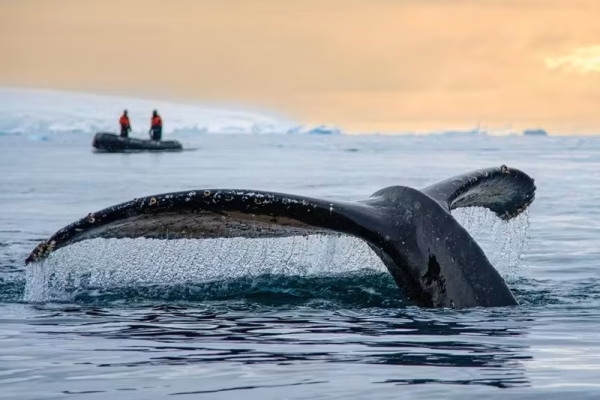
If whales are on your bucket list, February is difficult to beat.
The oceans become rich in krill, attracting humpback, minke and orca whales close to expedition vessels.
❖ Highlights
- Peak whale season
- Active wildlife
- Less snow reveals dramatic landscapes
- Comfortable temperatures
 Wildlife
- Humpback Whales
- Minke Whales
- Orcas
- Penguin chicks learning to swim
Best for: Whale enthusiasts and photographers.
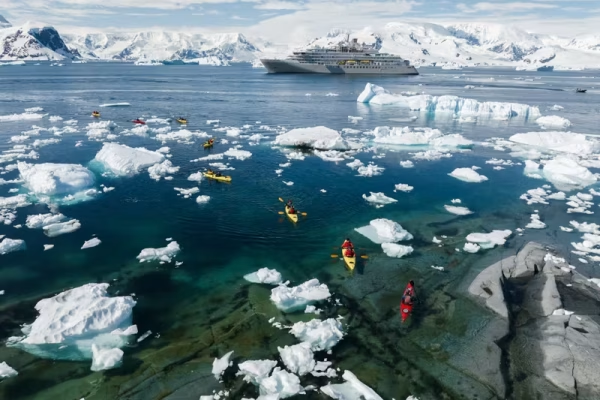
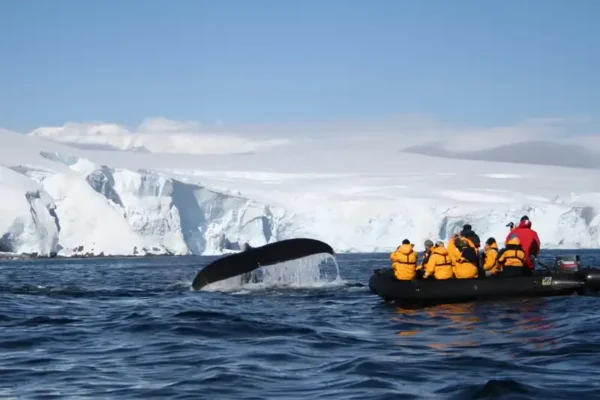
March — Late Season Magic
March is Antarctica's hidden gem.
As summer ends, visitor numbers decline while wildlife remains spectacular.
Golden sunsets return, creating dramatic colours rarely seen earlier in the season.
❖ Highlights
- Outstanding whale encounters
- Beautiful sunsets
- Smaller crowds
- Peaceful atmosphere
Wildlife
- Feeding whales
- Penguins moulting
- Fur seals
- Elephant seals
Best for: Experienced photographers and repeat visitors.

Despite being the coldest continent on Earth, Antarctica is surprisingly comfortable during cruise season.
Typical summer temperatures range from 20°F to 40°F (-6°C to 4°C).
Weather can change rapidly, with sunshine, snowfall and fog all possible within the same day.
Fortunately, modern expedition ships are well equipped to operate safely in changing polar conditions.
Wildlife Calendar
Swipe → to view more.
| Wildlife | Best Months |
|---|---|
| Penguin Courtship | October–November |
| Penguin Eggs | November |
| Penguin Chicks | December–January |
| Whale Watching | February–March |
| Leopard Seals | November–February |
| Orcas | February–March |
| Elephant Seals | January–March |
Wildlife activity varies slightly each season depending on sea ice, weather conditions, and regional differences across Antarctica and the subantarctic islands.
Top 3 Destinations
ANTARCTIC PENINSULA
 December – January (Mid-Summer, Peak Season)
-
Temperature Range: 0°C to 8°C (32°F to 46°F) – warmest time of year
- Daylight: Up to 24 hours due to the midnight sun
What to Expect:
-
Penguin chicks hatch and seal pups are born
-
Whales become increasingly visible
-
Long daylight hours for maximum exploration
Stat: 60% of all Antarctic travellers visit in December–January (IAATO) – making it the most popular
SOUTH GEORGIA
 November (Spring – Early Summer)
- Temperature Range: -2°C to 5°C (28°F to 41°F)
- Daylight: 18–20 hrs, up 24 hrs (south)
What to Expect:
-
Pristine ice and dramatic landscapes
-
Penguins and seabirds begin courtship and nest building
-
Great for photographers who want untouched snow and massive icebergs
Fun Fact:
November offers the best chance to see Antarctica’s ice at its most dramatic before summer melting. It’s the perfect month for witnessing pristine, untouched landscapes.
FALKLAND ISLANDS
 February – March (Late Summer – Early Autumn)
- Temperature Range: -2°C to 5°C (28°F to 41°F)
- Daylight: 14–18 hours (Feb); 11–14 hours (Mar)
What to Expect:
-
Peak whale-watching season (humpbacks, minkes, orcas)
-
Penguin chicks start fledging, and bird colonies are lively with young birds
-
Sea ice retreats further, giving access to the Antarctic Circle
-
Fun Fact: February is the best time for whale photography as they are very active feeding before migration.
The beginning and end of the cruise season often provide the best value.
Typically:
- Late October departures
- Early November cruises
- Late March sailings
These departures may offer promotional fares while still delivering exceptional wildlife and scenery.
Prices vary depending on ship, itinerary, cabin category, and availability.
Choosing the Best Month for You
The ideal time to visit Antarctica depends on your priorities.
❖ Choose October–November if you want:
- Incredible icebergs
- Fresh snowfall
- Penguin courtship
- Fewer visitors
❖ Choose December–January if you want:
- Warmest weather
- Peak wildlife
- Penguin chicks
- Maximum shore landings
❖ Choose February–March if you want:
- Whale watching
- Active marine life
- Smaller crowds
- Dramatic photography
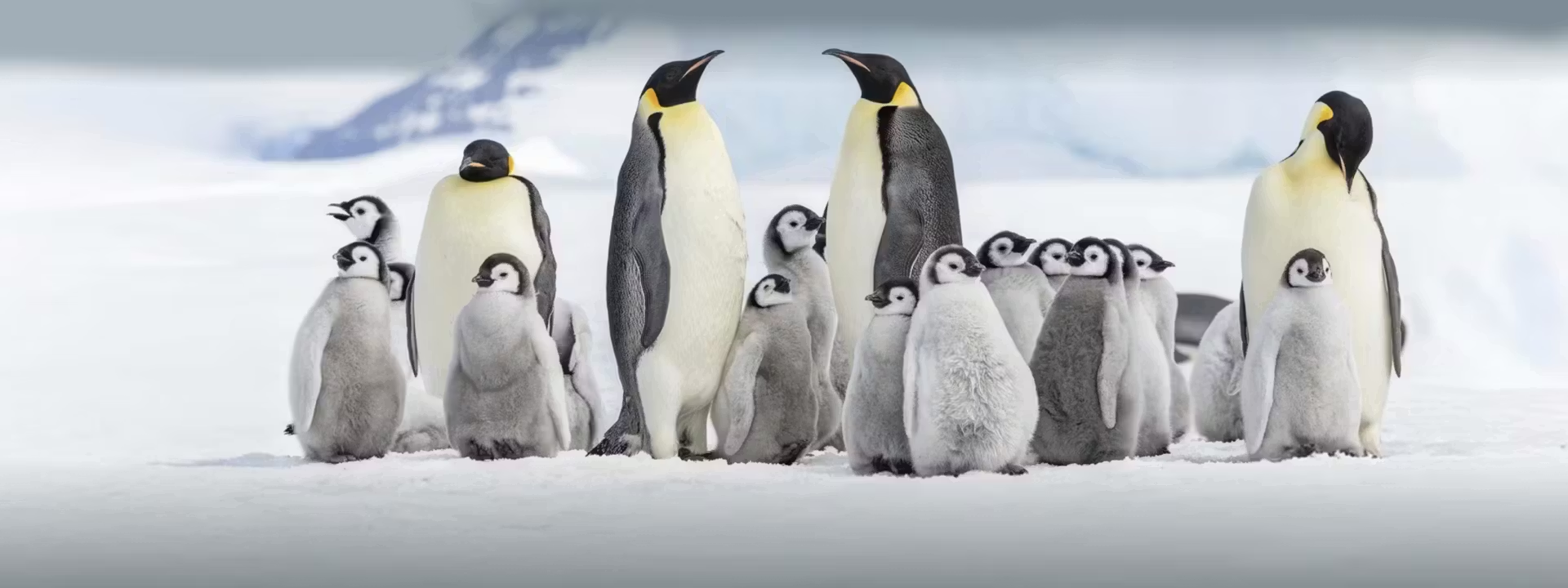
PENGUIN COLONIES
🐧 Watch emperor, gentoo, Adélie, and chinstrap penguins up close. December–January is when fluffy chicks start hatching.
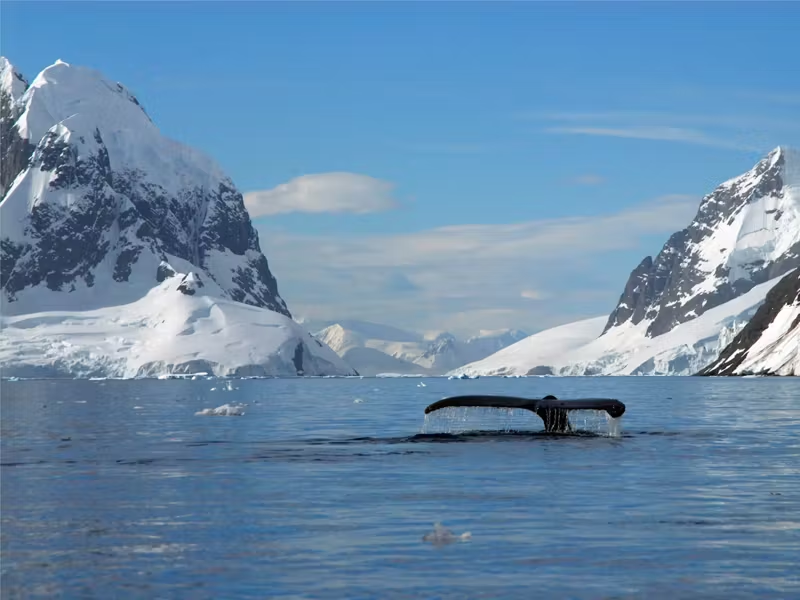
WHALE WATCHING
🐋 Spot humpbacks breaching, orcas hunting, and minke whales feeding—especially in February and March.
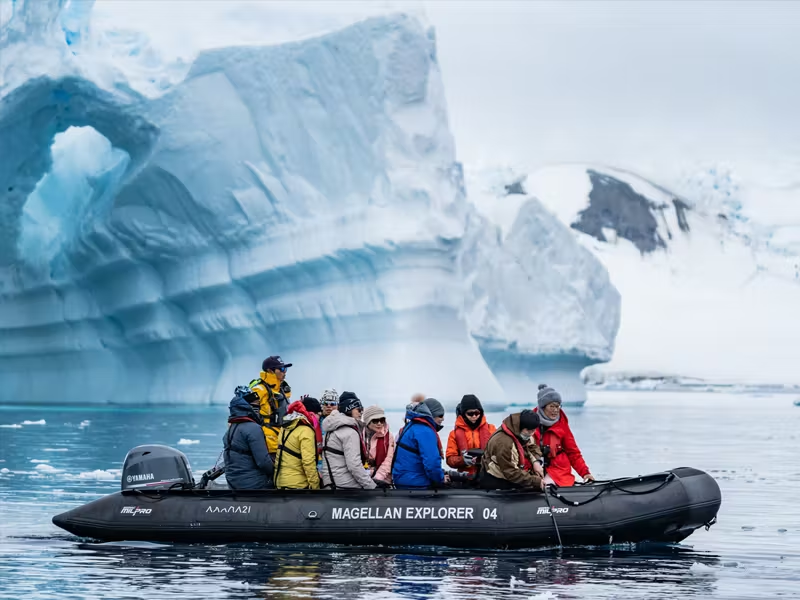
MAJESTIC ICEBERGS
❄️ Towering blue and white ice formations that are constantly changing shape and size.
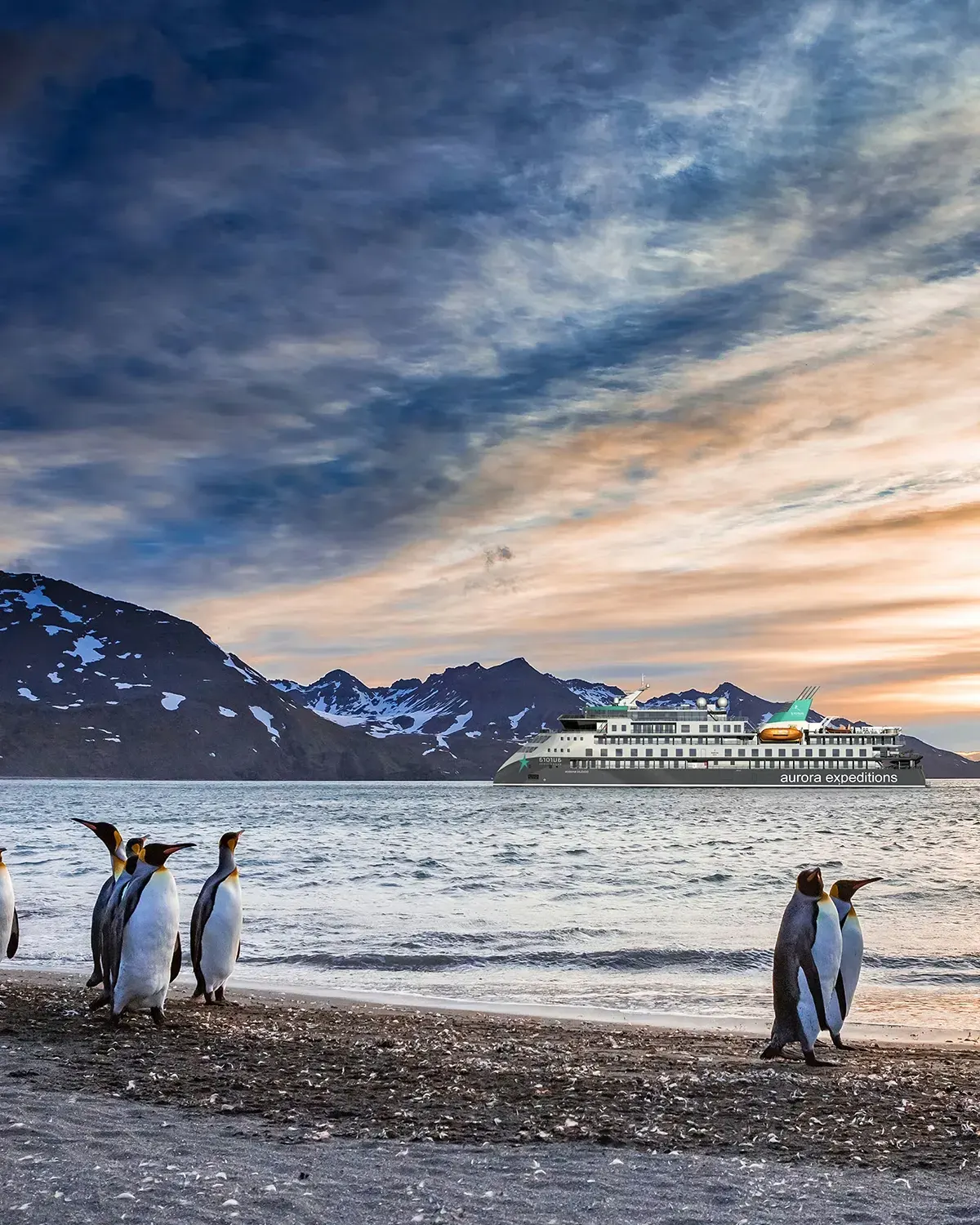
MIDNIGHT SUN
🌞 Experience up to 24 hours of daylight during December and January, giving you endless opportunities for exploration.
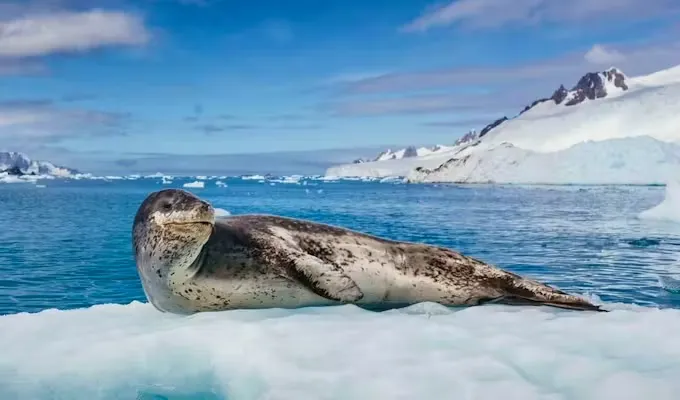
SEAL SIGHTINGS
Look out for Weddell, leopard, and crabeater seals lounging on the ice or hunting in the waters.
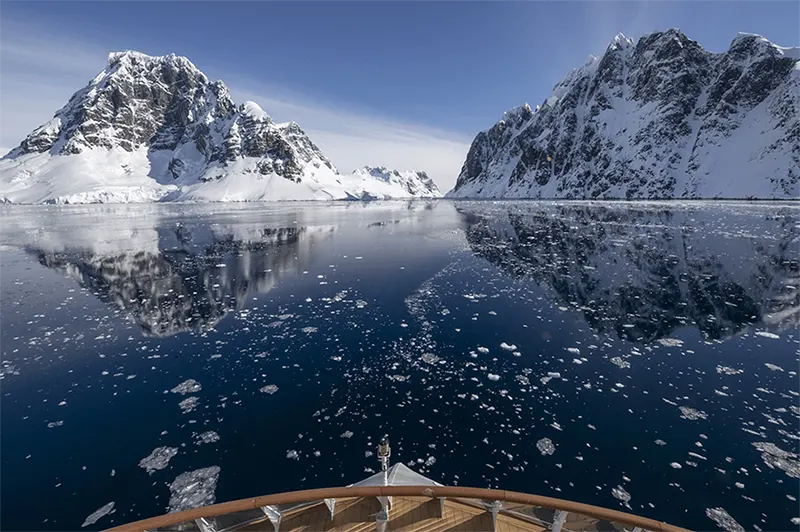
CROSSING THE ANTARCTIC CIRCLE
A rare travel milestone few people on Earth ever experience.

WORLD-CLASS PHOTOGRAPHY
📸 With crystal-clear air, surreal landscapes, and unique wildlife, every moment is a photo opportunity.
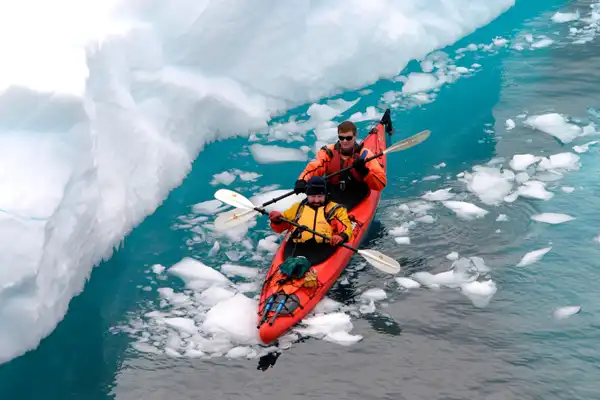
ZODIAC EXCURSIONS
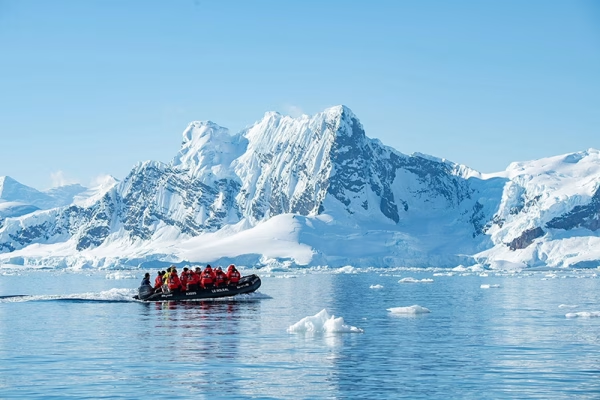
🚤 Get closer to glaciers, icebergs, and wildlife with guided inflatable boat rides.
Most travellers consider January the best overall month thanks to excellent weather, active wildlife, and reliable landing conditions. February is the top choice for whale watching.
December offers pristine landscapes and newly hatched penguin chicks, while January features more active wildlife and warmer conditions. Both months are excellent for first-time visitors.
No. Expedition cruises operate only between late October and March, when sea ice retreats enough for ships to safely access the continent.
Absolutely. March offers incredible whale encounters, fewer ships, beautiful sunsets, and excellent photography opportunities.
Choosing the best time to visit Antarctica is only the beginning. Our polar travel specialists can help you compare cruise lines, expedition ships and itineraries to find the perfect voyage.
Whether you're looking for an affordable expedition cruise, a luxury small-ship adventure, or a once-in-a-lifetime fly-cruise, we'll help you choose the departure that matches your interests and budget.
Ready to Explore Antarctica?
Browse our hand-picked collection of Antarctica cruises or speak with our cruise specialists for personalised recommendations.
Antarctica Boat Cruises, just like BlueSun Cruises, are proud division of BlueSun Travel, partners with all the major cruise lines worldwide. Our reputation is built on trust, professionalism, and proven expertise. As an ATAS-accredited agency through the Australian Federation of Travel Agents (AFTA), we meet the highest industry standards for reliability and financial protection. We are also proud members of the Cruise Lines International Association (CLIA) and the International Air Transport Association (IATA), ensuring our clients benefit from global connections and the latest travel innovations.
When you book with BlueSun, you’re not just working with travel agents—you’re working with fully accredited cruise specialists. Each member of our team has undergone rigorous training and certification with the world’s leading cruise lines, giving you confidence that your holiday is in expert hands. To make things even better, we share exclusive cruise deals and insider offers every week, helping you secure the best value for your journey.
Our team is available seven days a week to answer your questions, tailor itineraries, and guide you every step of the way. Whether you’re planning your first cruise or your tenth, BlueSun Travel ensures every detail is handled with care.
Call us now and let us make your dream cruise a reality.
We are available seven days a week!
1300 799 758


For more information about the Best Time to Cruise Antarctica,or to help with planning your next cruise, call the Antarctica Cruise specialists at BlueSun Travel:
Call 1300 799 758 now.
We are available to chat seven days a week!
Topics you might be interested in...
❅ Antarctica Cruise Itineraries
❅ Antarctica Landing Guide
❅ Drake Passage Guide
❅ Travel Insurance for Antarctica Cruises
❅ Antarctica Cruise FAQs