
Antarctica Weather
Antarctica is home to the coldest, driest, and windiest climate on Earth, making its weather a defining part of every Antarctica cruise. While temperatures in the continent's interior can plunge below -60°C (-76°F), the coastal regions and the Antarctic Peninsula—where most expedition cruises operate—experience much milder conditions during the Antarctic travel season.
From November to March, daytime temperatures along the Antarctic Peninsula typically range from -2°C to 8°C (28°F to 46°F). During these summer months, longer daylight hours, calmer sea conditions, and improved wildlife activity create the ideal environment for shore landings, Zodiac excursions, and unforgettable wildlife encounters.
Since Antarctica is only accessible during the austral summer, most cruises run between late October and early April. Each month offers unique experiences:
-
November–December: Early summer brings pristine snow, ice formations, and penguin courtship displays.
-
January–February: Warmest months, perfect for wildlife spotting and whale watching.
-
March–April: Fewer crowds, dramatic sunsets, and juvenile penguins exploring their surroundings.
Understanding seasonal differences in the weather in Antarctica helps you choose the best time for your journey.

ANTARCTIC PENINSULA
 December – January (Mid-Summer, Peak Season)
-
Temperature Range: 0°C to 8°C (32°F to 46°F) – warmest time of year
- Daylight: Up to 24 hours due to the midnight sun
What to Expect:
-
Penguin chicks hatch and seal pups are born
-
Whales become increasingly visible
-
Long daylight hours for maximum exploration
Stat: 60% of all Antarctic travellers visit in December–January (IAATO) – making it the most popular
SOUTH GEORGIA
 November (Spring – Early Summer)
- Temperature Range: -2°C to 5°C (28°F to 41°F)
- Daylight: 18–20 hrs, up 24 hrs (south)
What to Expect:
-
Pristine ice and dramatic landscapes
-
Penguins and seabirds begin courtship and nest building
-
Great for photographers who want untouched snow and massive icebergs
Fun Fact:
November offers the best chance to see Antarctica’s ice at its most dramatic before summer melting. It’s the perfect month for witnessing pristine, untouched landscapes.
FALKLAND ISLANDS
 February – March (Late Summer – Early Autumn)
- Temperature Range: -2°C to 5°C (28°F to 41°F)
- Daylight: 14–18 hours (Feb); 11–14 hours (Mar)
What to Expect:
-
Peak whale-watching season (humpbacks, minkes, orcas)
-
Penguin chicks start fledging, and bird colonies are lively with young birds
-
Sea ice retreats further, giving access to the Antarctic Circle
-
Fun Fact: February is the best time for whale photography as they are very active feeding before migration.
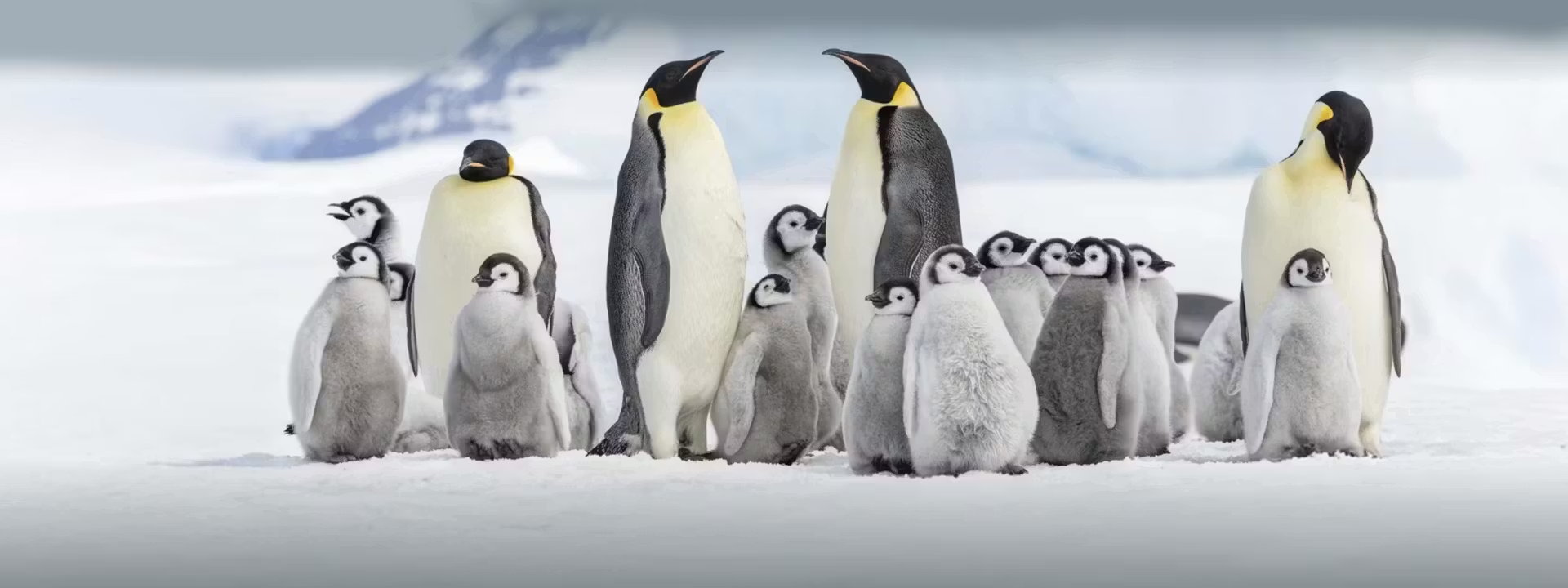
PENGUIN COLONIES
🐧 Watch emperor, gentoo, Adélie, and chinstrap penguins up close. December–January is when fluffy chicks start hatching.
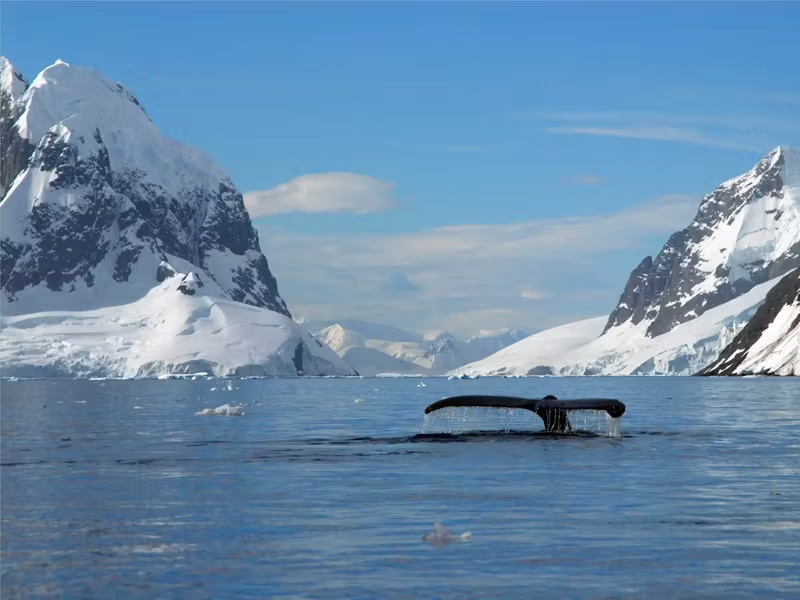
WHALE WATCHING
🐋 Spot humpbacks breaching, orcas hunting, and minke whales feeding—especially in February and March.
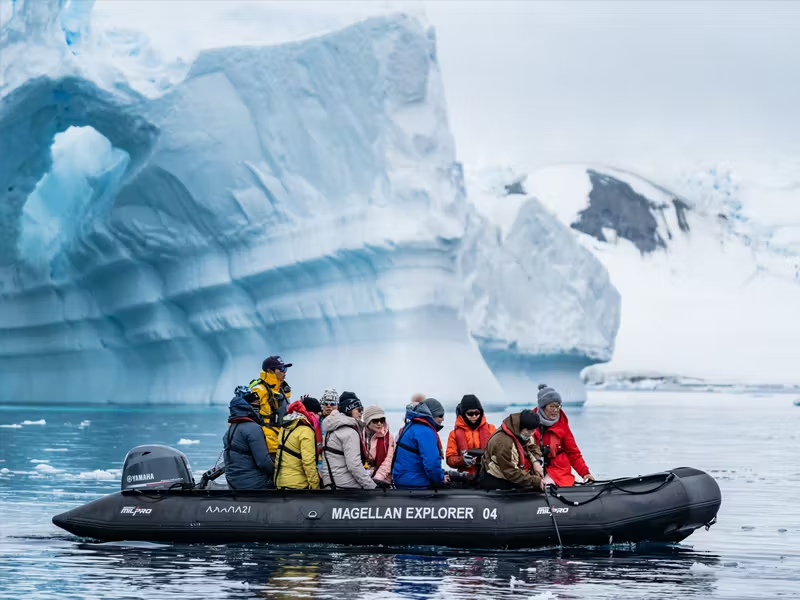
MAJESTIC ICEBERGS
❄️ Towering blue and white ice formations that are constantly changing shape and size.
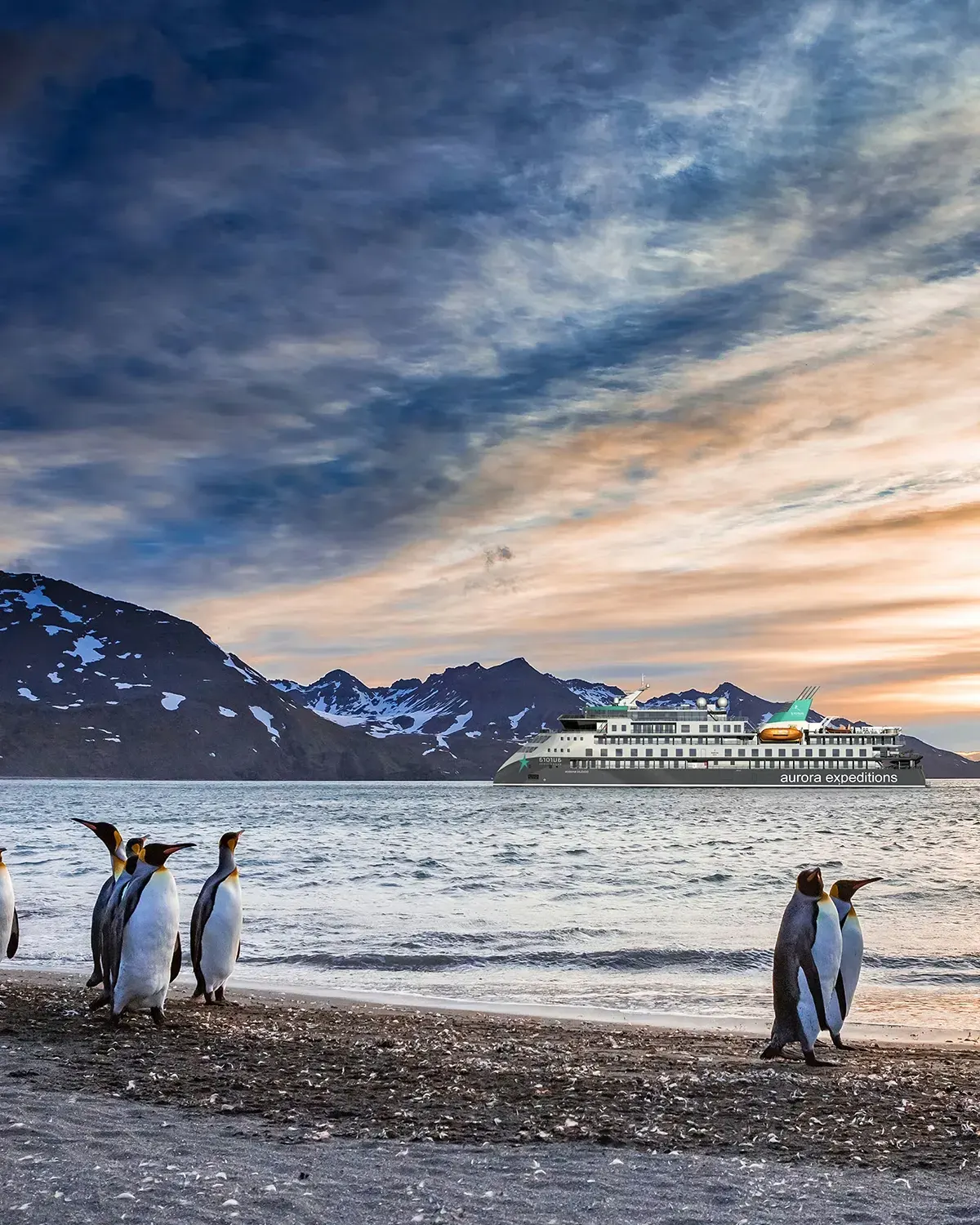
MIDNIGHT SUN
🌞 Experience up to 24 hours of daylight during December and January, giving you endless opportunities for exploration.
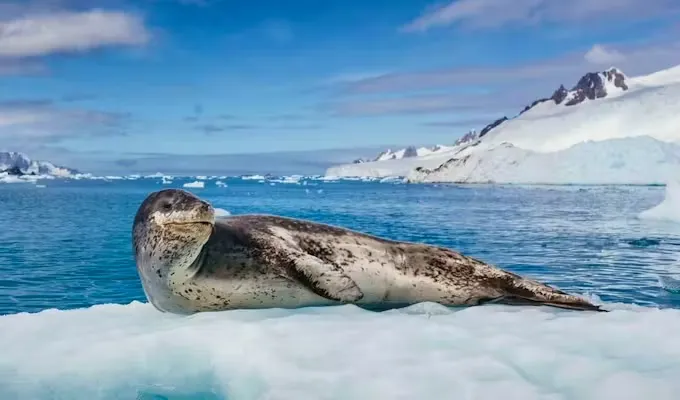
SEAL SIGHTINGS
Look out for Weddell, leopard, and crabeater seals lounging on the ice or hunting in the waters.
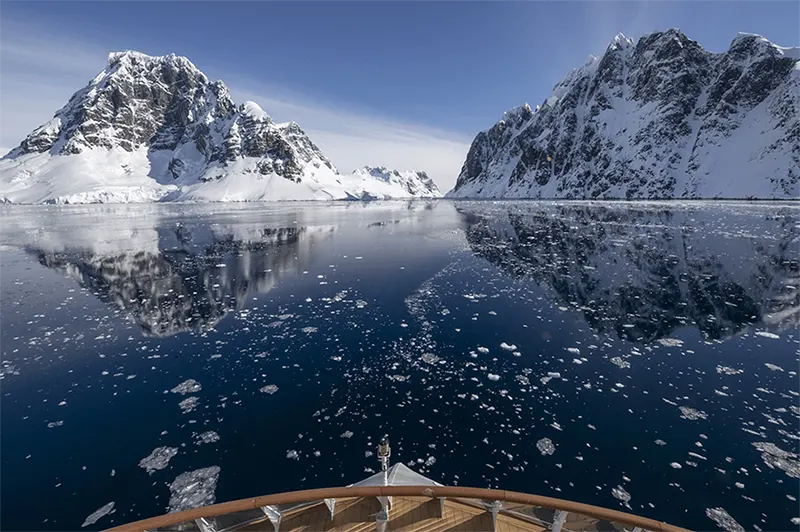
CROSSING THE ANTARCTIC CIRCLE
A rare travel milestone few people on Earth ever experience.

WORLD-CLASS PHOTOGRAPHY
📸 With crystal-clear air, surreal landscapes, and unique wildlife, every moment is a photo opportunity.
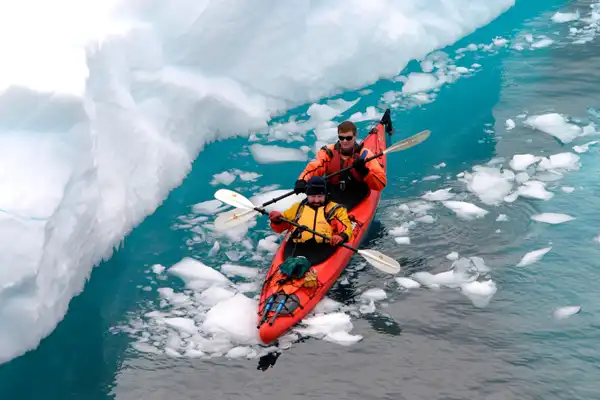
ZODIAC EXCURSIONS
🚤 Get closer to glaciers, icebergs, and wildlife with guided inflatable boat rides.
For more information about the Best Time to Cruise Antarctica, or to help with planning your next cruise, call BlueSun Travel's Antarctica Boat Cruises specialists at
1300 799 758
We are available to chat seven days a week!