
ANTARCTICA CRUISE GUIDE
Whether you're planning your first Antarctica cruise or comparing expedition ships, itineraries and departure dates, our comprehensive Antarctica Cruise Guide will help you choose the perfect voyage.
At Antarctica Boat Cruises, we work with every major Antarctic expedition cruise operator, giving you independent advice and access to the widest range of Antarctica cruises available.
Explore our complete collection of guides below.


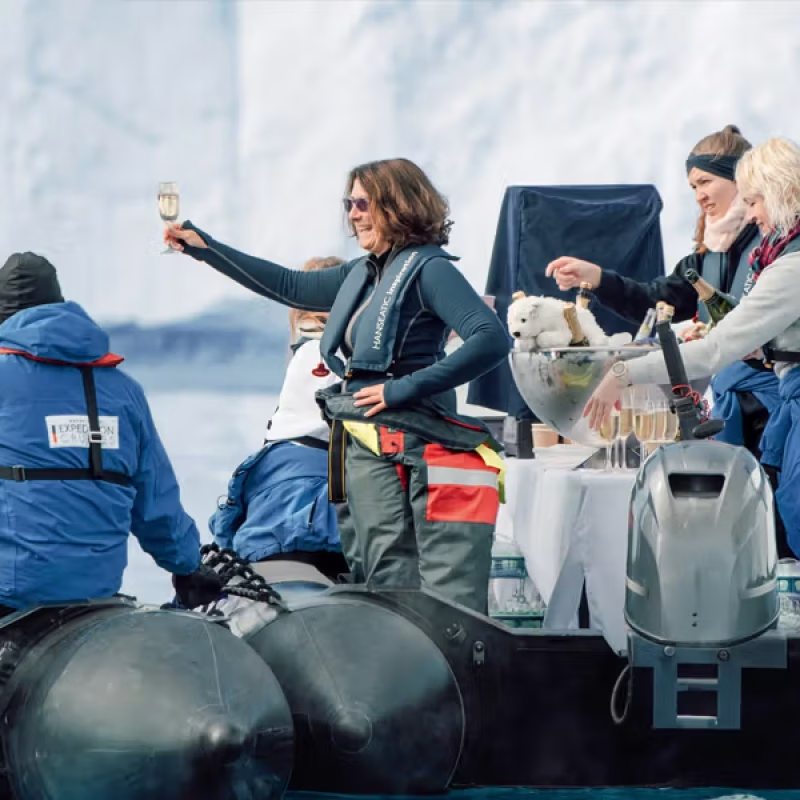
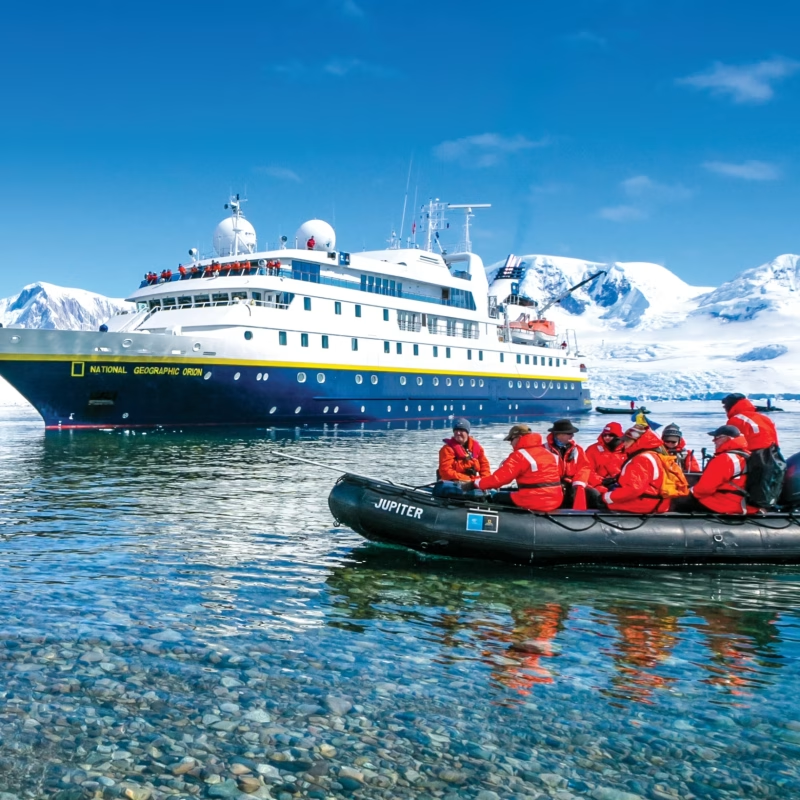

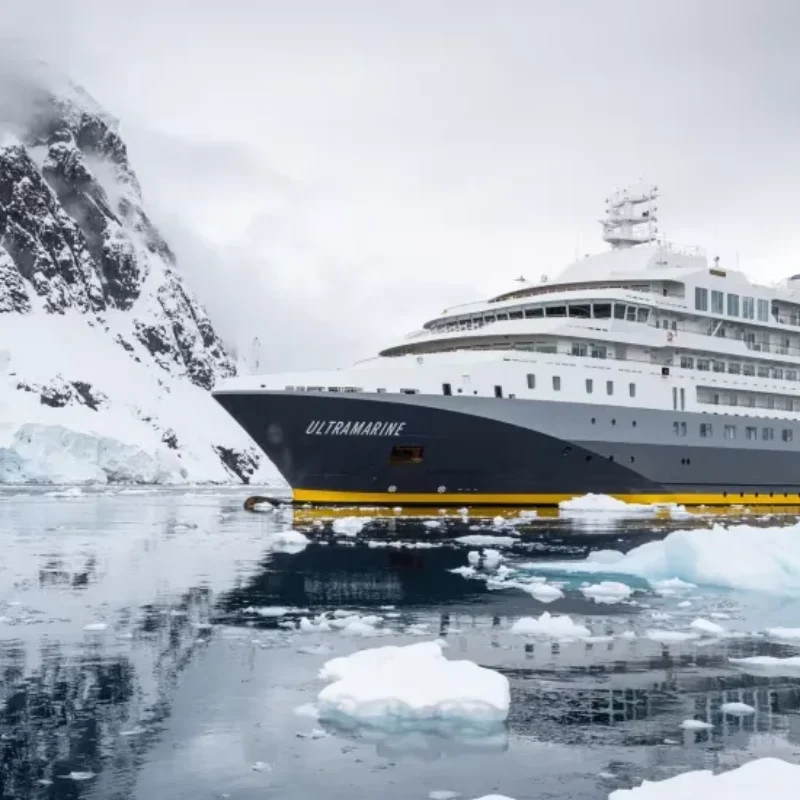
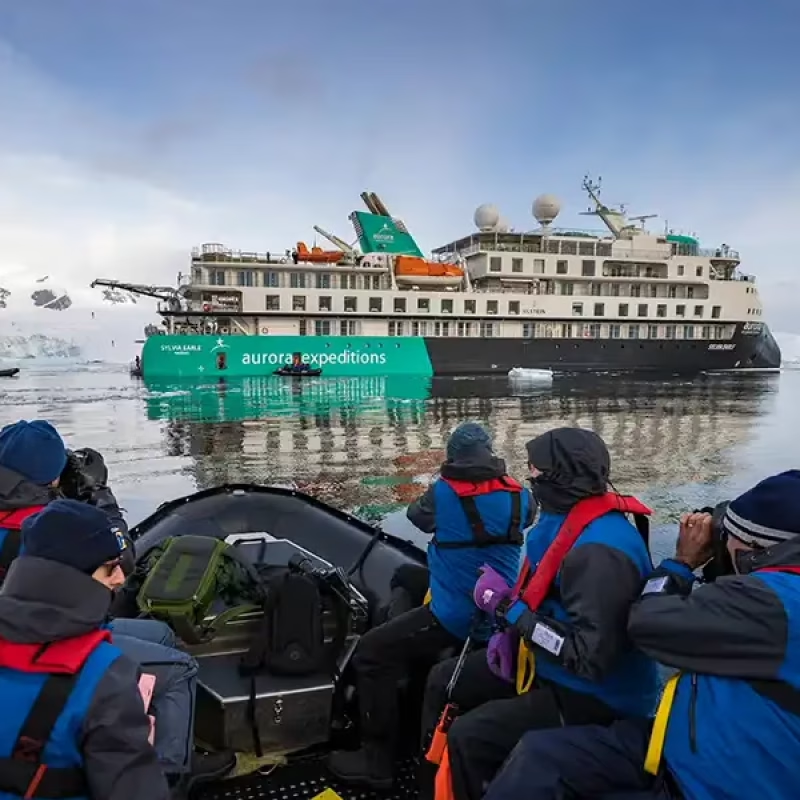
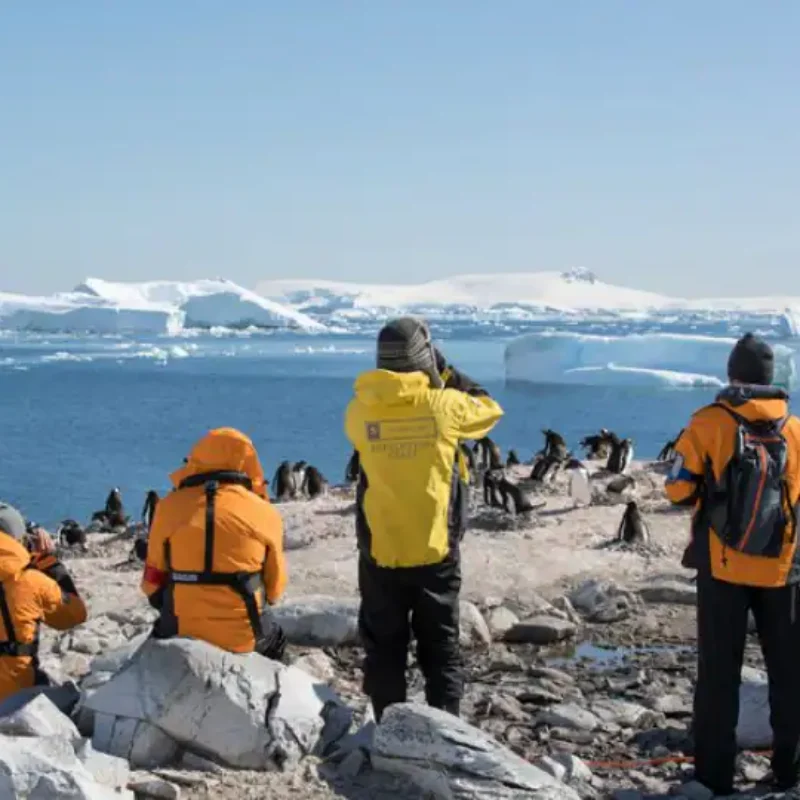
Everything You Need to Know Before Booking an Antarctica Expedition Cruise
An Antarctica cruise is unlike any other holiday on Earth. From towering glaciers and vast icebergs to incredible wildlife encounters with penguins, whales and seals, Antarctica offers one of the world's last true wilderness experiences.
Whether you're planning your first expedition voyage or comparing different Antarctica cruise ships and itineraries, this comprehensive guide covers everything you need to know—from the best time to visit and cruise costs to packing advice, wildlife, shore landings, the Drake Passage, and frequently asked questions.
Our Antarctica travel experts have created this guide to help you confidently choose the right Antarctica cruise for your travel style, budget and bucket list.
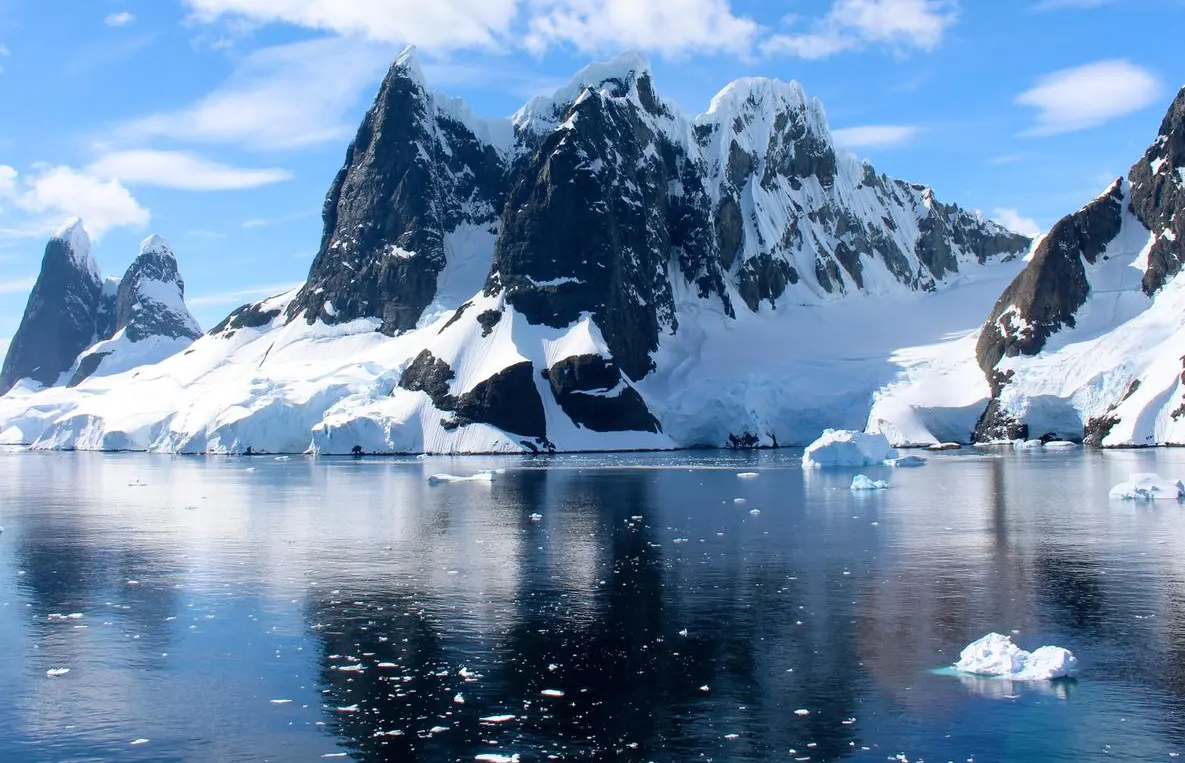
Best Time to Visit Antarctica
Timing plays a major role in your Antarctica experience. The expedition season runs from late October through March, with each month offering different wildlife sightings, weather conditions and photography opportunities.
Whether you want to witness adorable penguin chicks, experience peak whale watching or enjoy pristine snow-covered landscapes, choosing the right departure month can significantly enhance your voyage.
You'll learn:
- Antarctica cruise season explained
- Monthly weather guide
- Wildlife by month
- Best months for photography
- Peak vs shoulder season
- Best time for kayaking and camping
Antarctica Cruise Itineraries
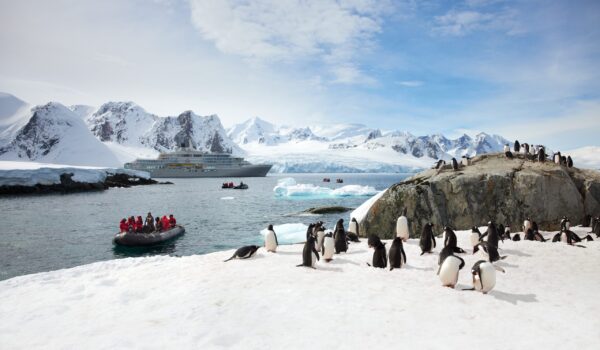
Not all Antarctica cruises follow the same route. Some focus on the Antarctic Peninsula, while others venture to the Falkland Islands, South Georgia or even cross the Antarctic Circle.
Your itinerary determines the wildlife you'll encounter, the number of landings you'll experience, and the overall length of your expedition.
Popular Antarctica destinations include:
❖ Antarctic Peninsula
❖ Paradise Bay
❖ Neko Harbour
❖ Cuverville Island
❖ Lemaire Channel
❖ Deception Island
❖ Antarctic Circle
❖ South Georgia
❖ Falkland Islands
Discover which itinerary best suits your travel goals, timeframe and budget.
Antarctica Ship Categories
Choosing the right expedition vessel can greatly influence your Antarctica experience.
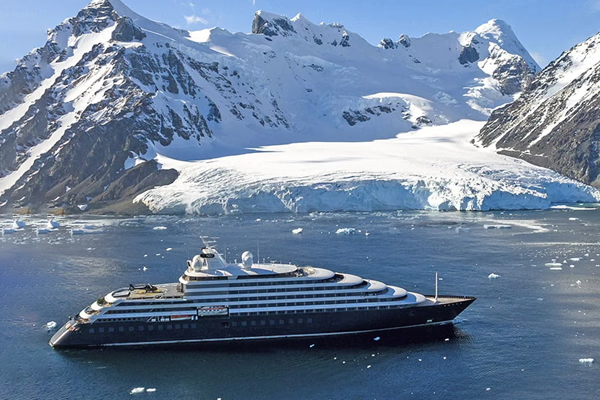
From intimate luxury ships carrying fewer than 100 guests to modern expedition ships with helicopters, submarines and advanced stabilisers, every ship offers a different style of adventure.
 Swipe → to view more.
| Category | Typical Passenger Numbers | Examples |
|---|---|---|
| Polar Expedition Ship | 70–220 | Ultramarine, Greg Mortimer, Ocean Albatros |
| Luxury Expedition Ship | 150–250 | Scenic Eclipse, Le Commandant Charcot, Silver Endeavour |
| Small Expedition Ship | 100–200 | Sea Spirit, Magellan Explorer |
| Expedition Yacht | 100–200 | Ponant Explorers, Scenic Eclipse |
| Boutique Cruise Ship | 500–800 | Azamara, Oceania |
| Luxury Ocean Cruise Ship | 500–1,200 | Seabourn, Silversea Classic Fleet |
| Mainstream Ocean Cruise Ship | 2,000–4,500+ | Norwegian Cruise Line |
Passenger numbers are approximate and may vary by ship configuration, expedition operator, and sailing.
Antarctica Cruise Types
An Antarctica cruise is unlike any other holiday on Earth. While every voyage showcases breathtaking glaciers, towering icebergs, remarkable wildlife, and unforgettable landscapes, not all Antarctic cruises are the same.
From classic expedition cruises that prioritise daily landings to luxurious all-inclusive voyages with five-star amenities, there's an Antarctica cruise designed for every type of traveller. Whether you're an adventurous explorer, wildlife enthusiast, photographer, or someone seeking ultimate comfort, understanding the different Antarctica cruise types will help you choose the perfect expedition.
In this guide, we'll explain the main Antarctica cruise styles, their advantages, who they're best suited for, and what you can expect onboard.
Quick Comparison of Antarctica Cruise Types
Swipe → to view more.
| Cruise Type | Best For | Typical Ship Size | Landings Included | Luxury Level | Price Guide (USD pp) |
|---|---|---|---|---|---|
| Expedition Cruises | First-time visitors, wildlife lovers | 100–200 guests |  Yes Yes |
★★★★☆ | $8,000–$18,000 |
| Luxury Expedition Cruises | Luxury travellers, couples | 150–250 guests | Yes |
★★★★★ | $15,000–$35,000+ |
| Small Ship Cruises | Maximum time ashore | 70–150 guests | Yes |
★★★★☆ | $9,000–$22,000 |
| Fly & Cruise Antarctica | Avoid the Drake Passage | 70–200 guests | Yes |
★★★★☆ | $14,000–$30,000 |
| Classic Antarctica Cruises | Best overall value | 100–250 guests | Yes |
★★★★☆ | $8,000–$18,000 |
| Antarctic Peninsula Cruises | First-time visitors | 100–250 guests | Yes |
★★★★☆ | $8,000–$16,000 |
| South Georgia & Falklands Cruises | Wildlife enthusiasts | 100–200 guests | Yes |
★★★★☆ | $15,000–$28,000 |
| Ross Sea Expeditions | Adventure travellers | 100–200 guests | Yes |
★★★★☆ | $22,000–$45,000 |
| Circle Antarctica Cruises | Ultimate polar expedition | 150–250 guests | Yes |
★★★★★ | $30,000–$60,000+ |
| Luxury Ocean Cruises | Luxury without expedition focus | 400–1,200 guests | Limited | ★★★★★ | $10,000–$25,000 |
| Antarctica Sightseeing Cruises | See Antarctica without landing | 500–4,000+ guests |  No No |
★★★★☆ | $4,000–$12,000 |
| Photography Cruises | Photographers & birders | 100–200 guests | Yes |
★★★★☆ | $12,000–$25,000 |
| Kayaking & Adventure Cruises | Active travellers | 70–200 guests | Yes |
★★★★☆ | $12,000–$28,000 |
| Camping Expeditions | Bucket-list adventurers | 70–200 guests | Yes |
★★★★☆ | Cruise fare + activity supplement |
| Scuba Diving Cruises | Certified divers | Under 150 guests | Yes |
★★★★☆ | Cruise fare + diving supplement |
| Citizen Science Cruises | Educational travellers | 100–200 guests | Yes |
★★★★☆ | $9,000–$20,000 |
| Family Antarctica Cruises | Families with older children | 100–250 guests | Yes |
★★★★☆ | Varies by operator |
| Solo Antarctica Cruises | Solo travellers | 100–250 guests | Yes |
★★★★☆ | Single supplement may apply |
Prices shown are indicative per-person twin-share fares in USD and are intended as a general guide only. Actual cruise prices vary depending on the operator, ship, cabin category, itinerary, departure date, availability, promotions, and optional adventure activities such as kayaking, camping or scuba diving.
Antarctica Wildlife Guide
Wildlife is one of the biggest reasons travellers visit Antarctica.
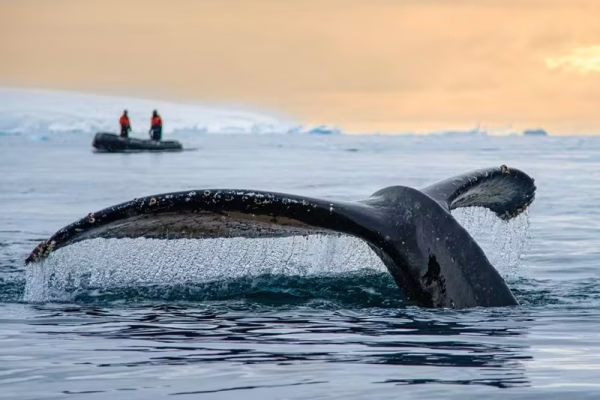
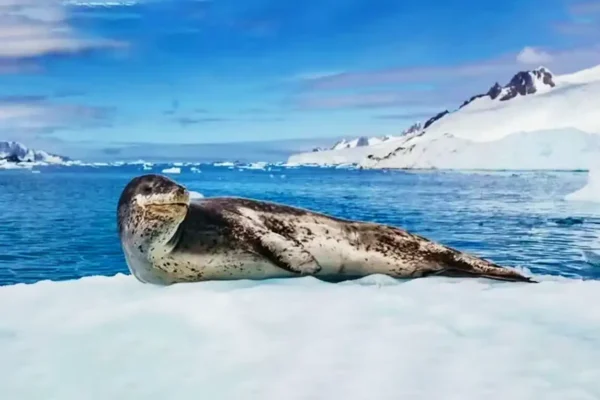
Throughout the season you'll have opportunities to encounter enormous whale species, thousands of penguins, playful seals and countless seabirds in their natural habitat.
Common wildlife includes:
- Emperor Penguins
- Adélie Penguins
- Gentoo Penguins
- Chinstrap Penguins
- Humpback Whales
- Minke Whales
- Orcas
- Leopard Seals
- Weddell Seals
- Elephant Seals
- Albatross
- Petrels
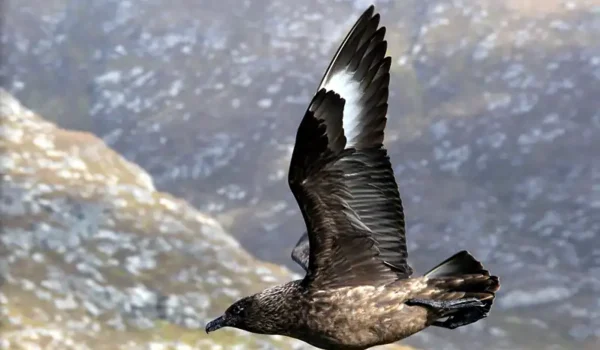
- Skuas
Learn where and when to see each species throughout the expedition season.
Antarctica Landing Guide
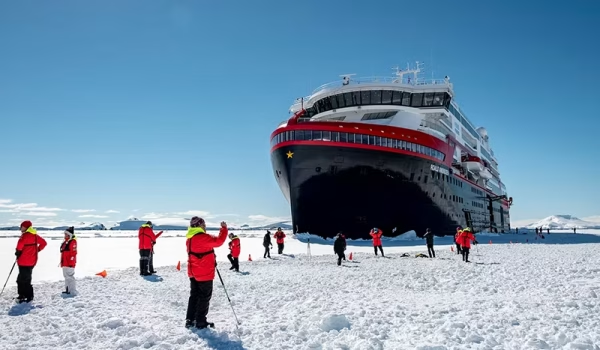
One of the highlights of every expedition cruise is stepping ashore onto the White Continent.
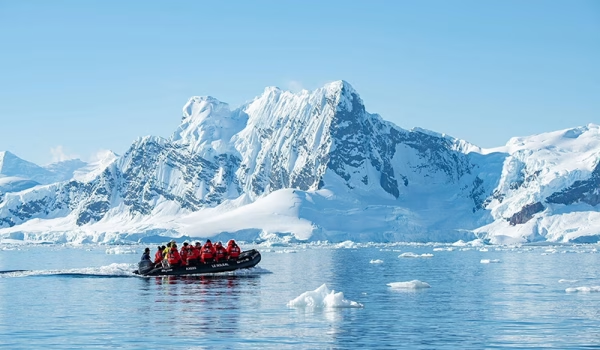
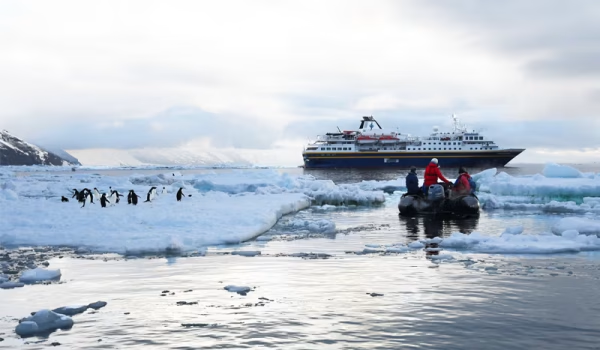
Unlike traditional cruises, Antarctica expeditions include Zodiac landings that allow guests to explore beaches, glaciers, research stations and wildlife colonies up close.
This guide explains:
- What Zodiac landings involve
- Wet vs dry landings
- Physical fitness requirements
- IAATO regulations
- Biosecurity procedures
- Safety guidelines
- Accessibility considerations
Understanding the landing process helps ensure you're fully prepared before departure.
 Read the Antarctica Landing Guide →
Antarctica Cruise Costs?
Antarctica cruises are a significant investment, but pricing varies depending on the ship, itinerary, cabin type, travel dates and inclusions.
Typical price ranges:
Swipe → to view more.
| Cruise Type | Average Price (USD) |
|---|---|
| Expedition Cruise | $6,000–$12,000 |
| Luxury Cruise | $12,000–$25,000+ |
| Fly-Cruise | $10,000–$20,000+ |
| Extended South Georgia Cruises | $15,000–$35,000+ |
Prices are per person in USD and are intended as a general guide only. Actual fares vary depending on the cruise line, cabin category, itinerary, season, inclusions, availability, and promotional offers.
Learn what influences pricing, what's typically included, and how to find the best Antarctica cruise deals.
Explore Antarctica Cruise Costs →
Drake Passage Guide
The legendary Drake Passage is one of the world's most famous ocean crossings.
Stretching between South America and Antarctica, this crossing is often viewed as a rite of passage for expedition travellers.
In this guide you'll discover:
- Why the Drake Passage is rough
- Drake Lake vs Drake Shake
- Sea sickness prevention tips
- Fly-Cruise alternatives
- Weather patterns
- Crossing times
- What to expect onboard
Whether you're excited or nervous about the crossing, understanding the Drake Passage helps you prepare with confidence.
Read the Antarctica Drake Passage Guide →
What to Pack
Packing correctly ensures you stay warm, dry and comfortable throughout your expedition.
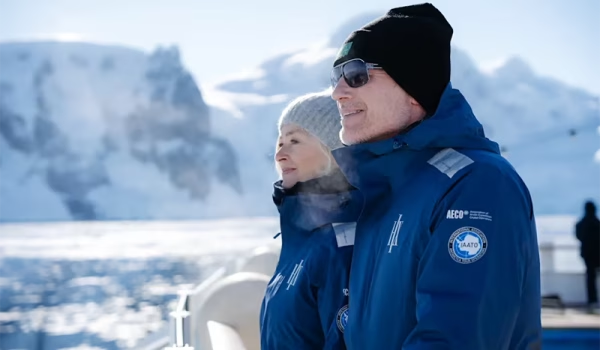
Most operators provide expedition parkas and rubber boots, but you'll still need to bring several essential clothing layers and accessories.
Your packing checklist includes:
- Waterproof jacket
- Thermal base layers
- Insulated mid-layers
- Waterproof gloves
- Warm hat
- Neck gaiter
- Sunglasses
- Camera equipment
- Binoculars
- Dry bags
- Motion sickness medication
Download our complete Antarctica packing checklist before your trip.
View the Antarctica Packing Guide →

Travel Insurance
Travel insurance is strongly recommended—and often mandatory—for Antarctica expeditions.
Given the remote location and expedition nature of these voyages, comprehensive cover provides valuable protection against unexpected events before and during your journey.
A suitable policy should include:
- Emergency medical evacuation
- Overseas medical expenses
- Cruise cancellation
- Trip interruption
- Lost or delayed baggage
- Adventure activities (if applicable)
Always review your policy carefully to ensure it meets your cruise operator's requirements before departure.
Learn About Antarctica Cruise Travel Insurance →

Antarctica Cruise FAQs
Absolutely. Antarctica offers one of the most unique travel experiences on Earth, combining breathtaking scenery, extraordinary wildlife and true expedition adventure.
Summer temperatures generally range between 20°F and 45°F (-6°C to 7°C), depending on the month and location.
No. Antarctica has no government or immigration authority. However, you'll need to meet the entry requirements for your departure and transit countries, such as Argentina or Chile.
Most cruises range from 8 to 23 days, depending on the itinerary.
Yes. Most Antarctica cruises visit large penguin colonies, with Gentoo, Chinstrap and Adélie penguins commonly seen throughout the season.
Not always. Some crossings are relatively calm ("Drake Lake"), while others experience rougher seas ("Drake Shake"). Modern expedition ships are equipped with stabilisers to improve comfort.
Yes. Most expedition cruises include multiple Zodiac landings, allowing guests to explore the Antarctic coastline under strict environmental guidelines.
A moderate level of mobility is recommended, particularly for embarking and disembarking Zodiacs. However, many cruises cater to a wide range of fitness levels.
Most expedition cruises include accommodation, meals, guided shore excursions, Zodiac cruises, educational lectures and expedition leadership. Flights, insurance and some optional activities may be additional.
Booking 12–18 months in advance is recommended, especially for peak season departures and preferred cabin categories.
For more information about the Antarctica Cruise Guide and other Antarctica cruises, call us at 1300 799 758.
Call 1300 799 758 now.
Available 7 days a week!
Topics you might also be interested in
❖ Antarctica Cruise Lines - Browse our collection of trusted Antarctica cruise operators.
❖ Famous Antarctica Explorers - Discover the pioneers who shaped Antarctic exploration.
❖ Antarctica Weather Guide - Learn what weather to expect throughout the cruise season.
❖ Wildlife in Antarctica - Meet Antarctica's iconic penguins, whales, seals, and seabirds.
ANTARCTICA DESTINATIONS
❖ Antarctica Peninsula - Glaciers, penguins, and breathtaking polar scenery.
❖ Falkland Islands - Wildlife-rich islands with rugged coastal beauty.
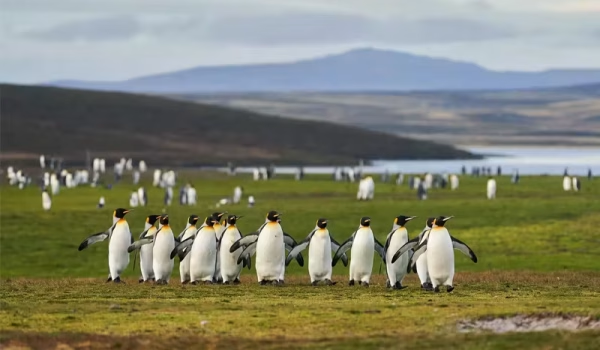
❖South Georgia - Home to king penguins and incredible wildlife.
❖South Shetland Islands - Volcanic islands with rich wildlife and history.
❖Weddell Sea - Giant icebergs and pristine Antarctic wilderness.
OTHER RELATED TOPICS AND GUIDES
❖ Cruise Costs Guide
❖ Itineraries & Routes
❖ Cruise Types
❖ Cruise Comparison
❖ Destination Guide
❖ Planning Your Cruise
❖ Best Time to Cruise
❖ Travel Tips & Advice
❖ What To Wear
❖ Travel Insurance
❖ Antarctica Packing Guide
❖ Camera Essentials
❖ FAQs